Transformer design: from concept to implementation

At BEZ TRANSFORMÁTORY, we focus on developing and manufacturing transformers that meet high demands not only for performance and reliability, but also for energy efficiency, safety and long-term sustainability. A well-designed prototype is always the result of a complex process. The design of transformers is therefore by no means random. It combines computational precision, knowledge of materials and practical experience from real operation.

Basic design principles of transformers

It is a multi-stage process in which technical parameters are linked to the practical requirements of a particular operation. Each stage, of course, has its own significance.

  • The first step is the precise specification of technical and operational parameters. The aim is to specify the exact requirements that the transformer must meet. Specifically, its power, input and output voltages, rated frequency, type of operation, installation conditions, cooling requirements and other client specifications.
  • The shape and material of the core has a major influence on the dimensions, weight and efficiency of the device . The choice of material and sheet thickness also affects core losses. Thus, the correct choice of core ensures not only high plant efficiency but also mechanical stability, good cooling and lower noise.
  • The transformer windings are designed with emphasis on current load, heat loss and electrical strength. The design of transformers varies by number of turns, conductor cross-section, conductor material, winding geometry and insulation type.
  • The stability of the device during operation, but also during transport, is ensured by the mechanical part of the design. This includes the assembly concept, the dimensioning of the structural elements, protection against vibrations and shocks, as well as compliance with the insulation properties.
  • Each proposal will undergo a thorough loss analysis. Losses affect not only efficiency but also operating costs.

The goal of design optimization is to find a balance between size, performance, efficiency and production cost.
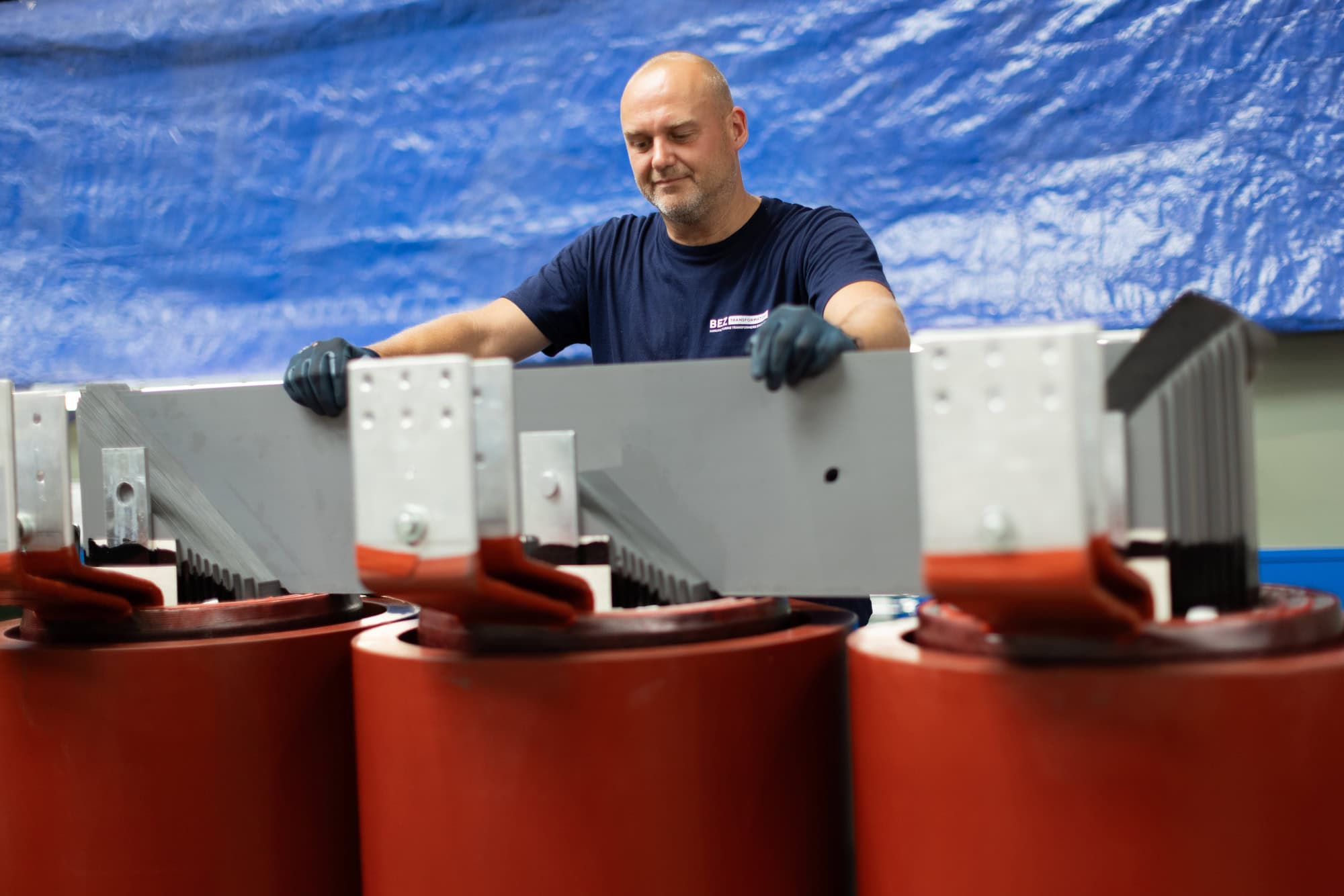
transformer design optimization

Dimensions, shape and power characteristics of transformers

They result from the specific technical requirements and the environment for which the transformer is intended. These factors also fundamentally influence the choice of construction materials, the loss rate and the cooling method.

  • The basic parameter is the rated power of the transformer. As the power increases, the dimensions of the core and the cross section of the windings also increase. Higher power means higher currents, which in turn require more robust conductors, better cooling and reinforcement of the insulation system.
  • The frequency of the power system has a significant impact on the core design . In conventional power applications, transformers are designed for a standard frequency of 50 Hz. Higher frequencies are used with smaller cores, resulting in reduced weight and size. Lower frequency, on the other hand, requires an increase in core cross section, making the transformer larger and more expensive.
  • The choice of cooling has a direct influence on the winding layout, the construction material used, but also the overall volume of the device.
  • Practical constraints must also be taken into account in the design. The availability of materials, the production technology used or the method of transport also influence the production possibilities and the final price of the equipment.

It is also important to comply with weight limits for handling and transport during manufacture, which is also part of the design of transformers.
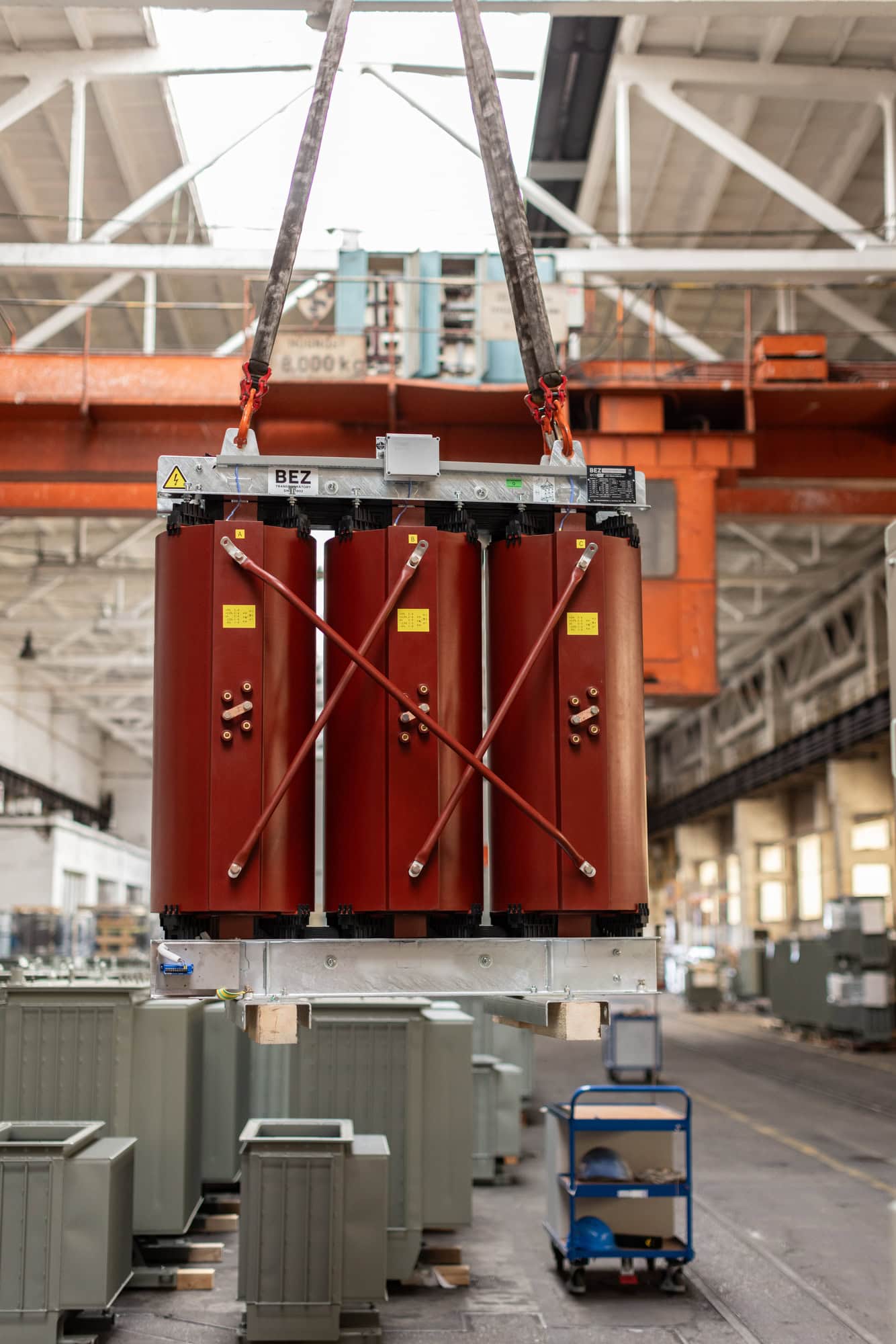
transformer design and its effect on transformer transportation

Transformer design testing

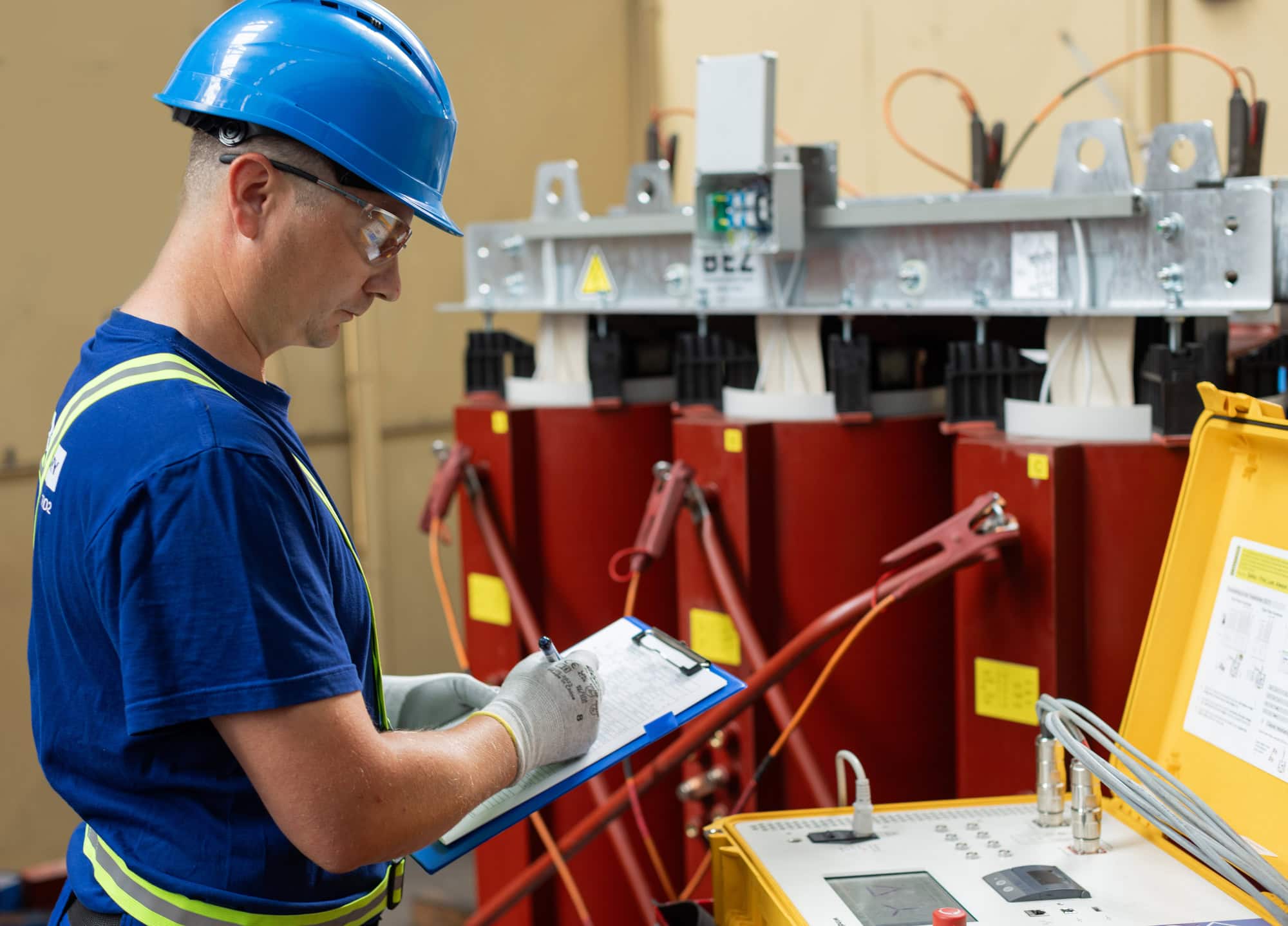
In the company BEZ TRANSFORMÁTORY we emphasize systematic inspection from common series transformers to specifically designed units. Once the design process is complete and a prototype is constructed, we thoroughly test the equipment. The aim is to verify that it meets all technical parameters and standards, that it behaves stably in real-life conditions and that the design matches the assumptions of the calculation model.

Prototype testing is crucial not only for safety but also for confirming the optimization of the design. It can reduce potential manufacturing deviations, improve the design for series production and ensure long-term reliability.

Production, documentation and final inspection

After successful validation of the design and testing of the prototype, the production phase follows. Based on the final design, complete production documentation is prepared. For projects with specific requirements, an individual production plan is also drawn up. Once production is complete, final assembly of the transformer follows. Each transformer then undergoes a final output test in which all electrical and mechanical parameters are verified. Only after successful completion is the equipment ready to be handed over to the customer.
How to ensure the highest efficiency of the transformer

Today, every kilowatt hour is important. Transformer efficiency therefore plays a key role not only in terms of cost savings, but also in the context of sustainability and environmental responsibility. Even small inefficiencies in operation can translate into a significant loss of energy and money in the long run. In addition, there are now increasingly stringent demands on manufacturers and operators. So the question is how to ensure the highest transformer efficiency?

What does transformer efficiency mean?

When we talk about the efficiency of a transformer, we mean the ratio between the electrical power entering it and the power leaving it. In other words, it is about how much power passes through the transformer without losses. The ideal would be 100%, of course, but in practice transformers always experience some losses. For small transformers this may be a negligible amount of energy, but for large units in industrial plants or distribution networks it is a significant factor.

Why is efficiency never 100%?

Because the laws of physics apply inexorably. For every time energy is transferred, some of it is converted into heat or some other form that cannot be used. Ideally, the efficiency of a transformer should be in the range of 98 to 99.7 %, depending on the type, power and operating conditions. Modern transformers are therefore designed to minimise losses.

Factors influencing efficiency

For a transformer to work as efficiently as possible, it is not enough to have a good design. The materials used, manufacturing technology and correct operation also play an important role.

  • The heart of the whole device is the transformer core. The losses that occur in it can be significantly influenced by choosing the right material.
  • Another source of loss is the windings, i.e. the coils through which the electric current flows. Here the material, shape and arrangement of the windings and the cross-section of the conductor play a role.
  • The losses in the transformer are largely converted to heat. If it is not dissipated properly, it increases the temperature of the components, leads to reduced efficiency and faster aging of insulating materials. The transformer cooling system can be optimized by varying the type of finning, oil flow or fan placement.
  • The transformer should exactly match the planned operation. An oversized one may have unnecessarily high iron losses at low load. Conversely, an undersized one will suffer from increased heating and faster wear.
reliable transformer

The right combination of these factors can determine whether a transformer will be a reliable helper or a source of unexpected expenses.

Proper operation and maintenance

Even the best designed and manufactured transformer can lose efficiency if not operated properly. Long-term efficiency is the result not only of quality design, but also of responsible operation.

  • The transformer requires regular technical care. Basic activities include checking the insulating oil, measuring the temperature and load, removing dust and dirt, and checking the mechanical connections and insulation. Properly performed maintenance can extend the life of the equipment by years.
  • The transformer should be operated in the range for which it was designed. Continuous overloading leads to temperature rise, increased losses and faster aging of materials. However, prolonged significant low loads cause unnecessary iron losses and inefficient operation.
  • The efficiency of the transformer also decreases due to hidden faults or substandard conditions. Excessive moisture in the oil or windings, weak contacts or corroded connections, vibration and noise, or contamination around cooling parts can be problems. However, preventive diagnostics and early intervention are cheaper and more effective than dealing with the consequences.
transformer efficiency

At BEZ transformátory, we believe that service and support after delivery are just as important as the production itself. We are a reliable partner who can help you not only with the selection of equipment, but also with its efficient operation throughout its lifetime.

Highest efficiency is not an accident, but the result of the right decisions

Losses in the core and in the winding have the greatest effect on efficiency. However, they can be significantly reduced by quality design and materials. Cooling, proper sizing and manufacturing technology have a major impact on energy losses. Efficient operation and regular maintenance are essential for long-term reliability and high efficiency. However, an investment in a high quality, high efficiency transformer pays for itself in lower operating costs over its lifetime.

V BEZ TRANSFORMÁTORY we combine more than 100 years of experience with the latest technology and an individual approach. The result is transformers that meet the most stringent standards, fulfil their purpose efficiently and operate reliably and for the long term.

Interested in the highest possible efficiency transformer for your project? We will be happy to advise you, contact us.

Electricity distribution: the role of transformers

Today we take electricity for granted. We flick a switch and a light comes on, turn on an appliance and everything works. But have you ever thought about the system behind this everyday convenience? From the moment energy is generated in a power station to the moment it powers your home, office or industrial operation, it goes a long way, and the distribution network is the invisible infrastructure that makes it all possible. Transformers are one of the most important links in this chain. Without them, the transmission of electricity over long distances and its safe distribution to end consumers would not be possible. Let us therefore look in more detail at the role of transformers in the distribution of electricity.

What are transformers and why are they key in distribution

Electricity is generated in power stations, often far from where we really need it. In order to minimise energy losses when electricity is transmitted over long distances, it must first be transformed into high voltage. This is what allows efficient transmission without significant losses due to the resistance of the conductors in the lines.

On the other hand, when the electricity gets close to the point of consumption, this high voltage needs to be reduced again to a level that can be handled by household appliances. This conversion is provided by transformers in distribution substations or directly at residential and industrial premises.

Transformers change electricity from technically efficient and high-voltage to normal and safe electricity that we can use. Without their constant work, the modern electricity grid would literally be non-functional.

Voltage boosting: efficient transmission from power plants

Immediately after the generation of electricity in power stations, transformers come into play to raise the voltage from the level at which the electricity is generated to much higher values. Higher voltages mean lower current for the same power, which in practice means less line losses.

Voltage reduction: safe energy for everyone

When the electricity gets close to the point of consumption, step-down transformers located in substations and local transformers come into play. Different voltage levels have different uses. Medium voltage is used in large industrial plants, low voltage is more likely to be used in homes, shops and offices.

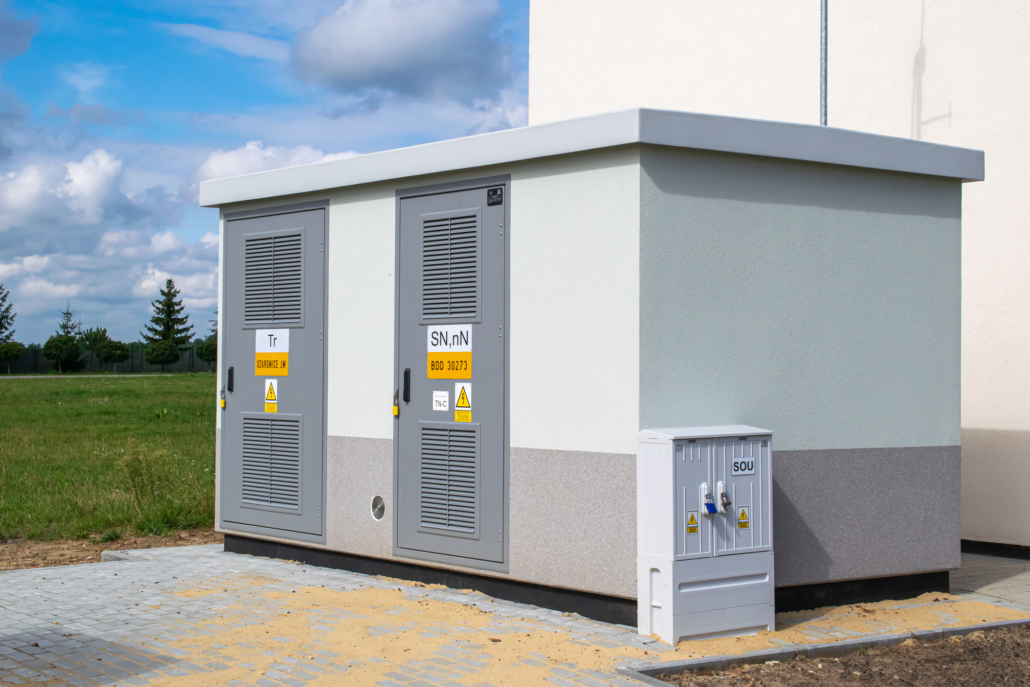
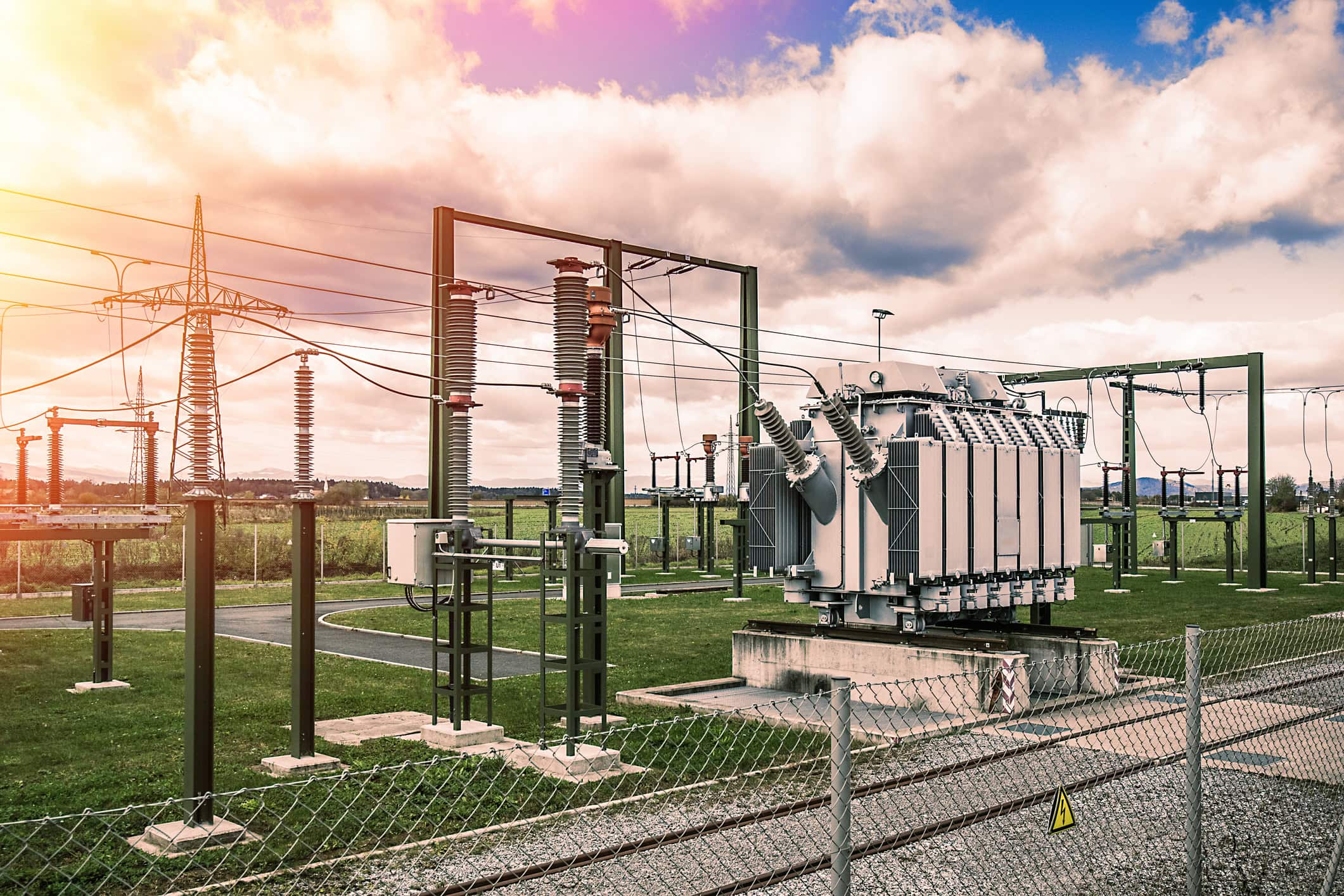
transformer station

In addition to voltage transformation, transformers also provide galvanic isolation of different parts of the network. This reduces the risk of fault propagation and increases the overall safety of the system.

Voltage adaptation for specific needs

Not all devices operate at normal voltages. Some technologies, such as medical devices, data centres or specialised production lines, need stable and precisely defined voltages. Optimum functionality and protection of sensitive equipment is ensured by transformers that allow precise voltage adjustment.

BEZ TRANSFORMÁTORY is one of the most important players in the production and supply of transformers for distribution networks. It supplies transformers ranging from several tens of kVA to MVA units.

The future of electricity distribution and the role of transformers

Transformers will continue to play an indispensable role. From rooftop solar panels to wind farms and battery storage, transformers ensure the right voltage level in every part of the grid, contribute to power stability and security, and enable the efficient integration of diverse energy sources. Indeed, there is increasing talk about the need to integrate renewable energy sources.

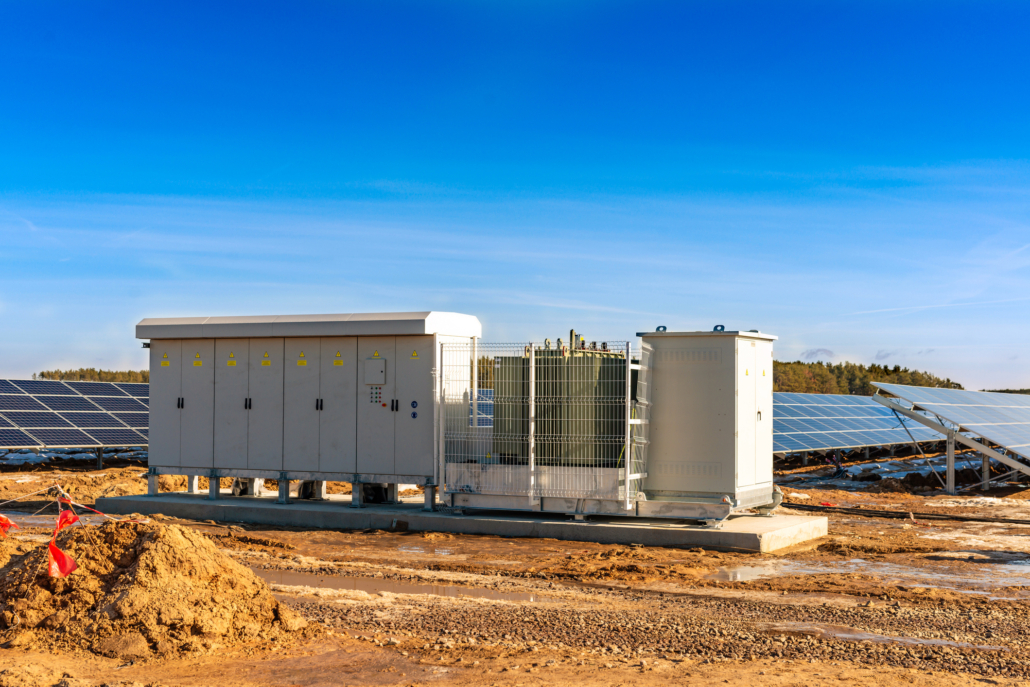
transformers for renewable energy

In addition, the growing demand for electricity is placing increasing demands on distribution infrastructure. These challenges require smart, flexible and reliable distribution networks. That’s why BEZ transformátory is developing equipment with higher energy efficiency and meeting the European Union’s stricter standards for energy losses. It develops many flexible solutions that can adapt to specific conditions, thus becoming not only an equipment supplier but also a strategic partner in the process of energy modernisation.

If you too are looking for expert solutions in the field of electricity distribution, contact us. We offer oil-immersed and dry-type transformers that find application in standard distribution networks as well as in industrial and energy-intensive plants.

When to choose epoxy and when to choose oil transformer

Choosing the right transformer is not just a technical matter, but a decision that will affect its safety, maintenance and long-term operating costs. The most common types of transformers include epoxy and oil-immersed transformers. But when to choose which one? Let’s take a look at their advantages, disadvantages and the situations in which they are best applied.

What sets them apart

The oil-immersed transformer is filled with a special insulating oil that dissipates heat while insulating the internal components of the equipment.

The epoxy transformer has windings flooded with epoxy resin, it does not need any liquid, so it is often referred to as dry-type.

When to opt for an epoxy transformer

This type is ideal wherever safety, cleanliness and ease of operation are a priority. We recommend it for buildings where people move around, such as shopping centres, hospitals, schools and offices. It is used in interiors with limited space and a requirement for low noise levels, but also in places with strict fire and environmental standards.

There is no risk of oil leakage and the fire risk is also lower than that of an oil-immersed transformer. The epoxy transformer features minimal maintenance requirements and installation is simple and quick. However, the purchase price can be higher and the performance also has its limitations.

V BEZ TRANSFORMÁTORY We manufacture dry-type transformers with a capacity of up to 10,000 kVA and a maximum equipment voltage of up to 36 kV. Due to their high seismic resistance and low power losses, these devices are also suitable for harsh environments.

When to choose an oil transformer

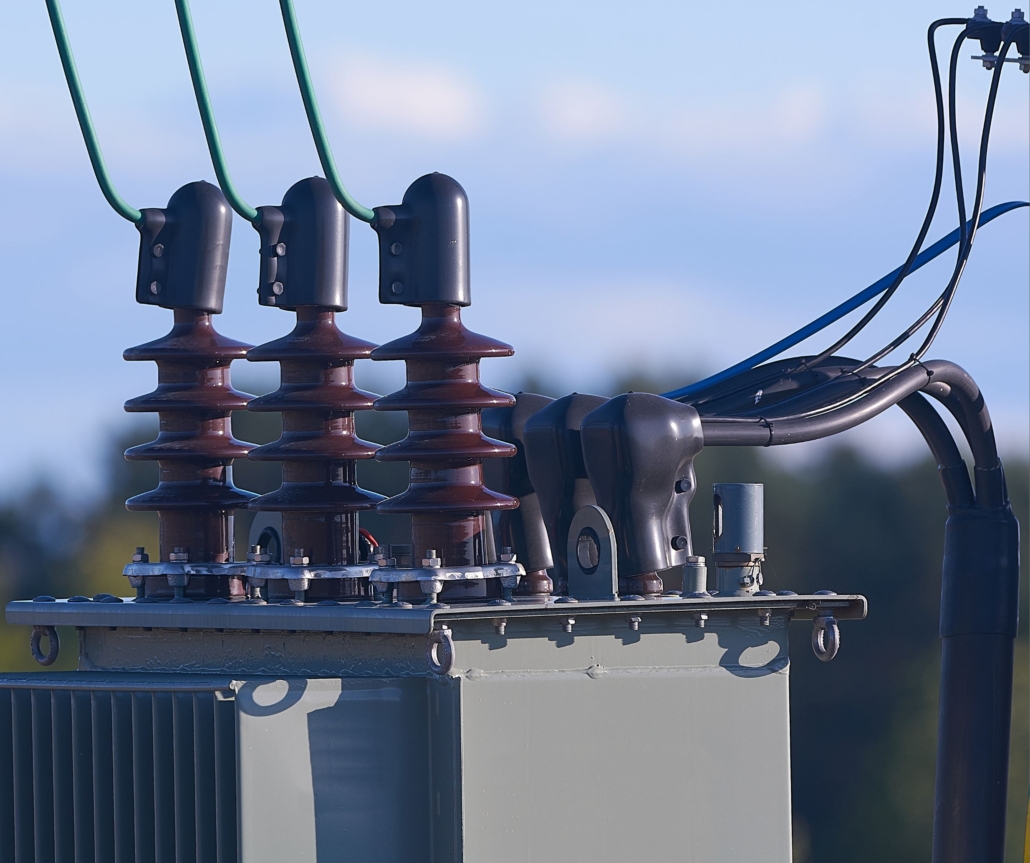
Oil-immersed transformers offer high performance and are suitable for harsher outdoor environments. They are part of substations, energy-intensive industrial plants and locations where heavy loads or extreme climatic conditions are expected. High performance goes hand in hand with efficient cooling. With proper maintenance, the oil transformer is characterized by a long service life.

However, there is a higher risk of fire, so regular maintenance is always advisable, whether it concerns checking the oil or the filter systems. In addition, it is not suitable for confined spaces in buildings.

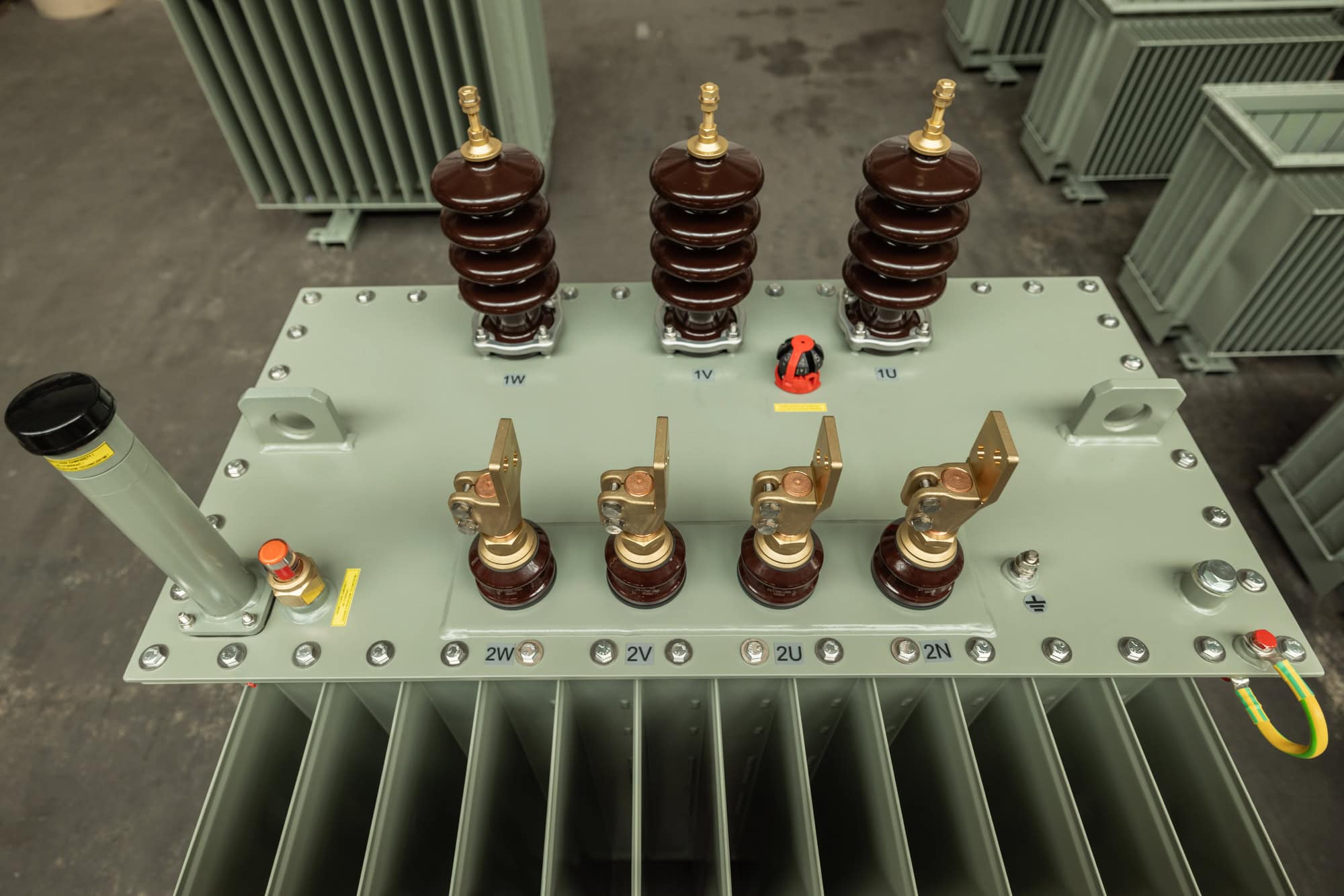
oil transformer

Company BEZ TRANSFORMÁTORY is one of the leading manufacturers of oil-immersed transformers in Central Europe with more than 120 years of history. It manufactures distribution transformers with outputs from 25 kVA to 16 MVA and with maximum equipment voltages up to 38.5 kV. They are characterized by maintenance-free operation, high reliability, the possibility of using environmentally friendly dielectrics and energy efficiency.

Quick comparison

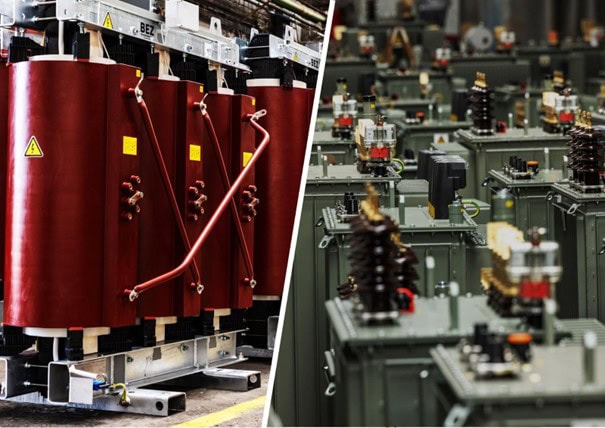
In conclusion, both dry (epoxy) and oil-immersed transformers from our company represent the top in their category. However, the choice between them depends mainly on the specific application and operating environment.

Epoxy transformers are characterized by their high level of safety, minimal maintenance and compact design, which will be appreciated in interiors, commercial buildings, hospitals or data centers. Thanks to the advanced epoxy resin potting of the windings, they can withstand moisture, dust and vibration and do not pose a risk of liquid leakage.

On the other hand, oil-immersed transformers are superior in robustness, higher performance and excellent cooling. This makes them ideal for industrial plants or power distribution networks.

Simply put, if you are looking for a maintenance-free and safe solution for your building, choose a dry-type transformer. However, if you need high performance and operation in harsh or outdoor environments, reach for an oil-immersed one. In either case, however, you can rely on the company’s quality and experience BEZ TRANSFORMÁTORY.

manufacture of epoxy transformers

With more than 120 years of history, modern production facilities and exports to dozens of countries around the world, we are one of the leaders in Central Europe. We specialize in the production of both oil and epoxy transformers that meet the most stringent technical and environmental standards. We are able to adapt our solutions to different sectors, from industry and energy to renewables and public buildings.

So if you are looking for a reliable partner in the transformer field, contact us. With us, you get a long-term partner with a strong focus on reliability, safety and lasting value.

Transformer oil: a key element for the reliability and service life of transformers

One of the most important factors affecting the reliable operation and service life of transformers is transformer oil. This unobtrusive but extremely important component performs a number of key functions, from cooling and insulation to protection against oxidation and moisture. It is the invisible hero behind the reliability of every modern transformer.

Transformer oil plays an indispensable role in the operation of the equipment

One of the key tasks of transformer oil is to ensure electrical insulation. The oil prevents electrical discharges and short circuits that could damage the transformer or jeopardize its operation. The basic parameter that determines the insulating ability of the oil is the dielectric strength, which expresses how high a voltage the oil can withstand.

Pri prevádzke transformátora vzniká vo vinutí a v jadre značné množstvo tepla. Transformátorový olej efektívne toto teplo odvádza, čím zabraňuje prehrievaniu. Zabezpečuje rovnomerné chladenie, a priamo tak ovplyvňuje výkon transformátora a predlžuje jeho životnosť.

It acts as a protective shield against external influences, especially moisture and oxidation. However, moisture in the oil itself could reduce its insulating properties and cause corrosion. However, the chemical stability of the oil will ensure that it retains its properties even after prolonged use.

transformer oil production

The selection of suitable transformer oil depends on the type of transformer

Mineral oils are the most commonly used type of insulating fluids in power equipment . They are distinguished by their high dielectric strength, good cooling properties and availability at a favourable price. They are used in conventional power and distribution transformers because they provide an optimum quality-to-cost ratio.

Silicone oils are used wherever increased demands are placed on heat resistance and safety, for example in building interiors, densely populated areas or special transformers . They have high thermal stability, low flammability and long service life without significant degradation.

Ekologickú a udržateľnú alternatívu k minerálnym olejom predstavujú rastlinné oleje na báze prírodných esterov. Ich význam v posledných rokoch rýchlo rastie aj vďaka ich vysokej biologickej odbúrateľnosti. Umožňujú transformátorom pracovať pri vyšších teplotách bez zníženia ich životnosti.

Transformer oil care greatly reduces the risk of breakdowns

Transformer oil naturally ages and its properties change. It is therefore regularly analysed under laboratory conditions. Dielectric strength, water content, oil acidity and gas content are monitored. The frequency of oil inspection is specified in the manufacturer’s technical prescription supplied with each transformer.

transformer oil inspection and care

If the tests show an increased content of impurities, water or gases, the oil can be cleaned by filtration or vacuum drying. In the case of more advanced degradation , oil regeneration is an effective solution , using special absorbent materials to remove degradation products and acids. The result is a restoration of the oil’s properties, which represents an economical and environmentally friendly alternative to a complete oil change.

A complete transformer oil change is justified in cases where the oil can no longer be regenerated or in the case of major equipment refurbishments. Replacement is carried out under controlled conditions with emphasis on cleanliness, proper venting and adherence to the technological procedure. Great emphasis is also placed on the ecological disposal of used oil.

Transformer oil is an indispensable element in the construction and operation of transformers

Its insulating ability, cooling efficiency and protective properties have a direct impact on the reliability, safety and service life of any equipment. Regular maintenance, rigorous testing and selection of the right type of oil are key steps to ensure that the transformer serves trouble-free for decades.

V BEZ TRANSFORMÁTORY we are fully aware of the importance of every detail and transformer oil is no exception. In the manufacture and maintenance of our equipment, we place emphasis on the quality of materials, precision engineering processes and long-term reliability. The oil we use is carefully tested and service processes optimised according to the latest trends and standards.

Transformer replacement: when does it make sense to replace the old one with a new one

Transformers have a limited lifespan and therefore, if you have an older model, it may already be showing signs of wear and tear. This will manifest itself in a change in its performance, efficiency, but also in the safety of operation. The importance of transformers in the power grid is not negligible. They ensure the stability of the entire system, which raises the question of whether transformer replacement is necessary. What are the advantages of modern equipment and what options do you have for refurbishment? Is it worth more to renew and upgrade old equipment or invest in new equipment?

Each transformer has its life expectancy

Several factors affect the service life of a transformer, such as the temperature of the environment, the quality of the materials used, the intensity of operation and the method of maintenance. High loads and irregular maintenance can also shorten its lifetime, which is normally between 25 and 40 years. To minimize the risks of breakdowns, it is imperative that you carry out regular maintenance and monitor the condition.

Transformer replacement: problems associated with old equipment

As the transformer ages, there is a significant reduction in efficiency, leading to greater energy losses. This is because insulating materials and other components wear out over time. Core and winding losses increase with age. In addition, operating an old transformer often leads to higher costs. These can gradually exceed the cost of replacing or upgrading the equipment. Older transformers operate less efficiently, increasing electricity consumption, and require more frequent maintenance and repairs. Worn components increase the likelihood of failure and cause financial losses. Equipment failure can even lead to power outages. In addition, old transformers can also pose a hazard.

Transformer replacement

Advantages of modern transformers

Investing in modern transformers pays off. They can significantly improve the efficiency, safety and cost of operation of electricity networks designed to minimise energy losses. These are a particular problem in older installations. Thanks to advanced materials and optimised core and winding design, they convert electricity with much higher efficiency. New materials, such as high-quality steel, reduce core losses, which are independent of the load.

By replacing your old equipment with a new modern model, you can save significantly

New equipment requires less maintenance, reducing the cost of repairs and regular inspections. They last longer and deteriorate less.

The main benefits include improved reliability and safety of the transformers due to higher quality components, reducing the risk of unexpected faults and failures. Advanced safety mechanisms are also part of modern models. They constantly monitor the status of the equipment, and allow you to anticipate problems.

With the development of new technologies and materials, transformers are becoming more and more powerful, efficient and environmentally friendly.

By replacing your old equipment with a new modern model, you can save significantly

Transformer replacement vs. upgrading

Replacing the old transformer with a new one is the best solution in the cases described above. However, refurbishing and upgrading older equipment can also be another solution. One of the most common methods is to repair or replace worn and damaged components such as windings, contact insulation or accessories. Not all damage requires total replacement.

In older models, there are often problems with insulation materials that can be solved with modern insulation and cooling systems. Older transformers can also be fitted with advanced monitoring systems that monitor the transformer in real time and allow abnormalities to be detected before they develop into serious problems.

If you are deciding whether to refurbish an old transformer or replace it with a new one, consider several factors

If the cost of refurbishment does not exceed the value of replacing the transformer and the transformer is still in good technical condition, refurbishment may be more profitable. However, replacement is more reasonable if the cost of refurbishment exceeds the cost of new equipment. Even if the transformer is showing serious wear, replacement is often the best solution.

Transformer parts: key components and their role in electricity distribution

BEZ transformátory, it would not be possible to transmit electricity efficiently over long distances. Significant losses would occur. But what are the key components that change the AC voltage and enable the efficient transmission and distribution of electricity? What are the parts of a transformer and what is their function in operation?

Core: the heart of the transformer

The core is the key element of the transformer. It serves to conduct the magnetic flux between the primary and secondary windings, thus ensuring efficient energy transfer through electromagnetic induction. It focuses and amplifies the magnetic field created by the current in the windings. The better quality material it is made of, the more it minimizes energy losses and increases the efficiency of the transformer.

The core is usually made of thin sheets of electrical steel with an insulating layer. The sheets are layered to reduce eddy currents and hence heat loss. This material is chosen for its excellent magnetic properties – in particular low hysteresis loss and high magnetic permeability.

According to the arrangement of the magnetic flux in the core, we distinguish two basic types of core design:

  • Core (column) core: The windings are placed on the arms of the core and the magnetic flux passes mainly through the columns. This type of core is simpler and is often used in power applications.
  • Core cladding: the windings are surrounded by a core on all sides, resulting in lower dissipation losses and higher mechanical resistance. This arrangement is suitable, for example, where there are requirements for compactness and strength.

The choice of core type depends on the requirements of the specific application, such as current magnitude, voltage, dimensions and cooling conditions.

Windings: a key element in voltage transformation

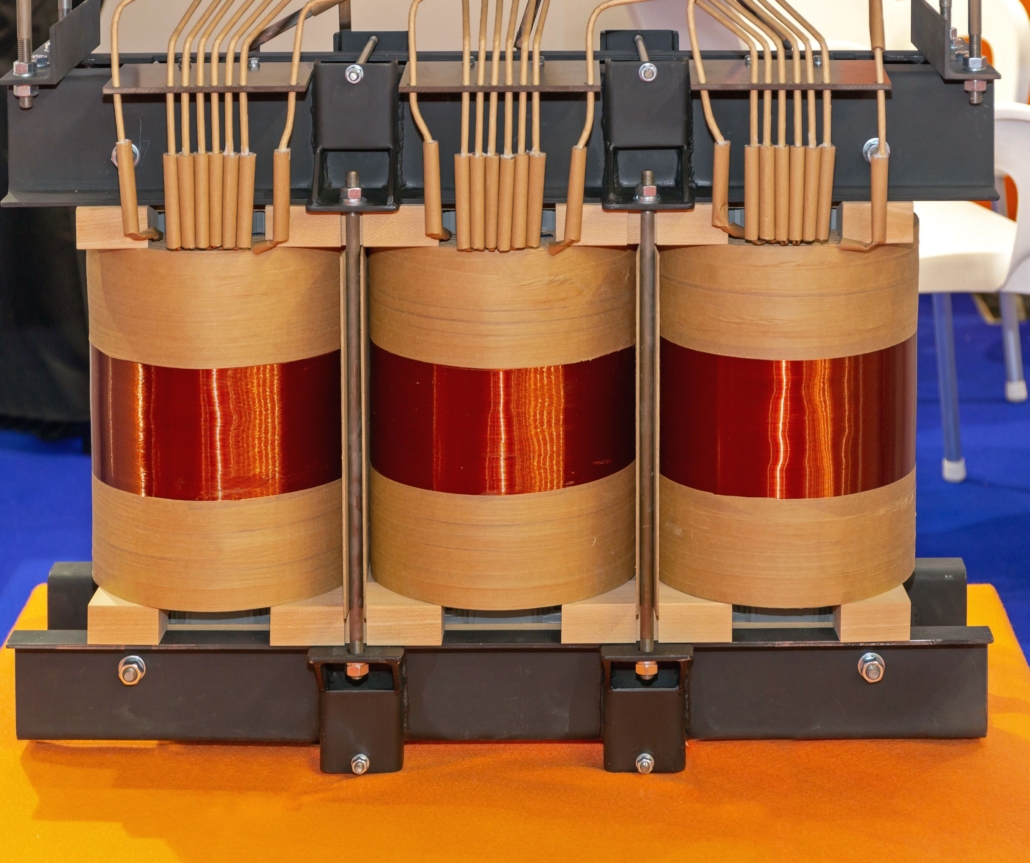
Windings are among the key parts of the transformer. They are coils wound on a core and, based on the principle of electromagnetic induction, they enable the transfer of electrical energy between circuits.

Most often in the transformer we find:

  • Primary windingsthat receive electricity from the grid and create magnetic flux in the core.
  • Secondary windings that induce an electrical voltage according to the turns ratio and supply it to the output circuit.

Transformers with a more complex structure may also have a tertiary winding, auxiliary winding or balancing winding.

Windings are made of copper or aluminium conductor:

  • Copper ones have better conductivity, lower losses, but higher price.
  • Aluminium ones are a cheaper alternative, but have a larger size and higher resistance.

The insulation of the windings is also important . Different materials are used, for example varnish, paper, polyester film or epoxy resin.

Windings: a key element in voltage transformation

Windings play a key role in the proper function of a transformer because they determine the output voltage and the efficiency of power transfer. If the secondary winding has more turns than the primary, the transformer voltage increases. Conversely, if the secondary winding has fewer turns than the primary, the transformer reduces the voltage. Thus, we speak of step-up and step-down transformers.

Transformer cooling parts

Each transformer generates heat during operation. If it were not sufficiently cooled, the temperature would rise dangerously, causing, for example, insulation degradation, reduced efficiency and, in extreme cases, equipment failure. Choosing the right cooling system is therefore very important:

  • Olejové chladenie: Efektívne odvádza teplo a predlžuje životnosť zariadenia. Nájdeme ho vo veľkých výkonových transformátoroch v elektrárňach a rozvodných sieťach alebo priemyselných transformátoroch, kde je potrebná vysoká účinnosť.
  • Vzduchové chladenie: Je menej náročné na údržbu a ekologicky prijateľnejšie. Používa sa v malých a stredných distribučných transformátoroch v mestských budovách, ale aj nemocniciach, kancelárskych priestoroch a tuneloch, kde je na prvom mieste bezpečnosť. Nehrozí totiž žiadne riziko úniku oleja.
Transformer cooling parts

Other transformer parts important for safe and efficient operation

In addition to the main parts such as the core, windings and cooling systems, the transformer is equipped with various accessories that enhance its reliability, safety and functionality and help protect the transformer from damage. They also facilitate its maintenance and ensure proper operation:

  • Electrical safety is enhanced by insulators that separate the electrical conductors from the transformer carcass and prevent electrical short circuits (jumps).
  • Reliable power transmission is ensured by the connection terminals used to connect the transformer to the power grid.
  • To protect against overload, the transformer is usually equipped with a monitoring device. In the case of oil-immersed transformers, also an overpressure valve which, in the event of overload or short circuit, if not detected by other protections, will protect the transformer from damage.
  • The tap changers allow the output voltage to be adjusted according to the current network conditions. They keep the voltage stable and increase the efficiency of the device.
  • Excessive pressure inside the transformer is prevented by an expansion tank that compensates for changes in oil volume caused by temperature fluctuations.
  • Early detection of problems such as oil leaks or overheating is detected early by oil level and temperature indicators.

Only the proper functioning of these components will ensure safe and efficient operation. They help prevent outages, extend the life of the equipment and ensure a stable supply of electricity.

Transformer losses: why they are important and how to minimize them

Every transformer, even the most efficient, loses some energy in the form of heat. These transformer losses, small as they may seem, accumulate in the long run and lead to higher financial costs and a negative impact on the environment. Let us therefore look together at the different types of losses, their causes, and especially the methods of minimising them.

Transformer losses have a direct impact on the efficiency and cost of operation

Although transformers are designed to minimize losses, they cannot be completely avoided. However, several types of losses are known:

  • No-load losses occur in the iron core of the transformer. We therefore call them iron losses. They reduce the efficiency of the equipment even in the idle state. They are load-independent losses. Their minimization therefore plays a very important role in long term grid connection and in transformers that operate in standby mode for long periods. Long-term operation with high no-load losses can lead to significant financial losses.
  • Short-circuit losses ( or winding losses) are due to the resistance of the transformer windings through which current flows. These losses are directly dependent on the load on the equipment – the higher the load, the higher the losses. Therefore, it is extremely important to design the transformer with a good quality conductor.

Minimise transformer losses: increase efficiency and reduce operating costs

There are various techniques and technological solutions aimed at reducing dead, short and no-load losses:

  • Optimization of core design: the core plays a significant role in the generation of idle losses. However, high quality materials (silicon steel) can reduce losses by reducing core losses and improving the overall efficiency of the device. It is also important to reduce eddy currents, which can be achieved by laminating the core. The core consists of thin sheets separated by an insulating layer.
  • Winding design optimization: losses due to conductor resistance can be reduced by using lower resistance materials. Optimisation of the winding geometry is also important. Proper winding layout can improve the efficiency of the transformer.
  • Use of modern technology: modern technology can also solve the problem of a transformer connected to the grid for a long time. There are materials with lower hysteresis and eddy losses and also modern control systems that optimize the load on the equipment in real time.
electricity depreciation

Transformer losses and their impact on operating costs and the environment

The presence of losses directly reduces the efficiency of the device. Losses in the iron (idle) reduce efficiency even at low load or even in standby mode. Losses in the windings (shorted) increase with load. Higher transformer efficiency means lower losses, and this translates into lower power consumption and more stable operation. Conversely, higher losses in the transformer increase power consumption. In addition, they can increase both cooling and maintenance costs. This is because losses are converted into heat that needs to be dissipated, and this requires an efficient cooling system. Prolonged exposure to higher losses can reduce service life, which in turn leads to more frequent repairs.

Energy losses in transformers also indirectly affect the environment. The amount of energy consumed has an impact on greenhouse gas emissions. The environmental burden is also increased by the more frequent disposal of transformers with shorter lifetimes due to high losses.

Investing in efficient transformers will bring significant long-term benefits

Although the initial cost of modern and low-loss transformers may be higher, ultimately minimizing losses leads to significant energy savings, reduced operating costs, and extended equipment life. Higher upfront costs are also recovered after just a few years in the form of lower utility bills and reduced operating expenses.

saving on electricity, transformer losses, minimizing losses

Minimising losses leads to long-term energy and cost savings. In continuous operation, energy savings can represent significant financial benefits. The benefits of quality transformers include fewer faults and downtime, which means lower repair and equipment replacement costs. More reliable operation with less risk of unexpected failures is just one of the significant benefits of extended lifetime.

Ak hľadáte efektívne a spoľahlivé riešenia, neváhajte kontaktovať spoločnosť BEZ TRANSFORMÁTORY. Pomôžeme vám vybrať najvhodnejšie zariadenie, pričom zohľadníme vaše špecifické potreby. Poskytneme vám aj komplexné poradenstvo v oblasti minimalizácie strát a optimalizácie energetickej účinnosti.

Transformer power: what it really means and why it matters

Transformers play a key role in the transmission and distribution of electricity. They allow the voltage to be stepped down and stepped up efficiently. Thus, they can minimise losses in the transmission of electricity over long distances. From the point of view of the stability of the entire power grid, the performance of the transformer is crucial. Improperly sized ones can not only lead to energy losses. What else is at risk can be found in the following lines.

Transformer power in units of kilovolt-ampere (kVA) or megavolt-ampere (MVA)

It expresses the amount of electrical energy that the device is capable of efficiently transferring between the input and output sides. BEZ TRANSFORMÁTORY manufactures oil-immersed equipment from 50 kVA up to a maximum output of 16 MVA and dry cast-insulated variants from 100 kVA up to a maximum of 10 MVA, with maximum equipment voltages up to 38.5 kV.

Factors affecting efficient operation

Too low a transformer output can lead to overloading, while equipment with unnecessarily high output is both inefficient and unnecessarily more costly.

Znížený výkon transformátora môže spôsobiť vyššie teploty, ktoré znižujú schopnosť zariadenia odvádzať teplo. Napríklad olejové modely majú vyššiu schopnosť odvádzať teplo než suché. Výber správneho typu chladenia tak priamo ovplyvňuje aj výkon a životnosť zariadenia.

short circuit in the power grid, transformer power
The quality of the supply voltage is very important for trouble-free operation. Fluctuations can cause higher losses and reduce efficiency.

The transformer achieves best efficiency at loads in the range of 50 to 70% of rated power

At low loads, it is unable to use its full capacity. On the other hand, overloading can cause overheating and an increase in heat loss.

The ratio between active and apparent power is determined by the power factor (cos φ). In optimum operation, it generally reaches the highest values, which means that the equipment is operating efficiently and maximising the delivery of useful energy.

Properly sized transformer power minimizes losses and contributes to even power distribution

When selecting the power, consider first of all the expected load on the network. Consider also that for installations in confined spaces, such as urban substations, higher power also means larger dimensions and more demanding space requirements.

large industrial transformer, transformer power

You need different transformer power for industrial plants and power stations and different power for public buildings, shopping malls and hospitals.

How to find the optimal solution? Recommendation when choosing a transformer

Vypočítajte si koeficient zaťaženia a zvoľte primeraný výkon.  Zohľadnite aj priestorové možnosti, vlhkosť, teplotu a prašnosť prostredia. Zvážte, či ide o vonkajšiu, alebo vnútornú inštaláciu. Vonkajšie priestory umožňujú použitie väčších jednotiek. Olejové modely sú vhodnejšie pre vonkajšie aplikácie napríklad pre umiestnenie v trafostanici, zatiaľ čo suché typy sú prednostne určené do vnútorných prevádzok napríklad v priemysle. 

BEZ TRANSFORMÁTORY is one of the leaders in the manufacturing industry and offers a broad portfolio of products designed for a variety of needs and applications. They provide long-lasting and efficient operation and represent a modern solution with an emphasis on safety and environmental friendliness. The company adapts to market needs, invests in research and development and develops products that meet the most stringent standards. It delivers optimal solutions and meets the needs of a variety of customers from small businesses to large industrial corporations.

Ak hľadáte spoľahlivé a efektívne riešenie, kontaktujte nás. Ponúkame široké portfólio olejových a suchých transformátorov, ktoré vám pomôžeme prispôsobiť presne vašim potrebám.