
Transformer power: what it really means and why it matters
Transformers play a key role in the transmission and distribution of electricity. They allow the voltage to be stepped down and stepped up efficiently. Thus, they can minimise losses in the transmission of electricity over long distances. From the point of view of the stability of the entire power grid, the performance of the transformer is crucial. Improperly sized ones can not only lead to energy losses. What else is at risk can be found in the following lines.
Transformer power in units of kilovolt-ampere (kVA) or megavolt-ampere (MVA)
It expresses the amount of electrical energy that the device is capable of efficiently transferring between the input and output sides. BEZ TRANSFORMÁTORY manufactures oil-immersed equipment from 50 kVA up to a maximum output of 16 MVA and dry cast-insulated variants from 100 kVA up to a maximum of 10 MVA, with maximum equipment voltages up to 38.5 kV.
Factors affecting efficient operation
Too low a transformer output can lead to overloading, while equipment with unnecessarily high output is both inefficient and unnecessarily more costly.
Reduced transformer performance can cause higher temperatures, which reduce the device’s ability to dissipate heat. For example, oil-immersed models have a higher ability to dissipate heat than dry-immersed. Choosing the right type of cooling directly affects the device’s performance and lifespan.

The transformer achieves best efficiency at loads in the range of 50 to 70% of rated power
At low loads, it is unable to use its full capacity. On the other hand, overloading can cause overheating and an increase in heat loss.
The ratio between active and apparent power is determined by the power factor (cos φ). In optimum operation, it generally reaches the highest values, which means that the equipment is operating efficiently and maximising the delivery of useful energy.
Properly sized transformer power minimizes losses and contributes to even power distribution
When selecting the power, consider first of all the expected load on the network. Consider also that for installations in confined spaces, such as urban substations, higher power also means larger dimensions and more demanding space requirements.
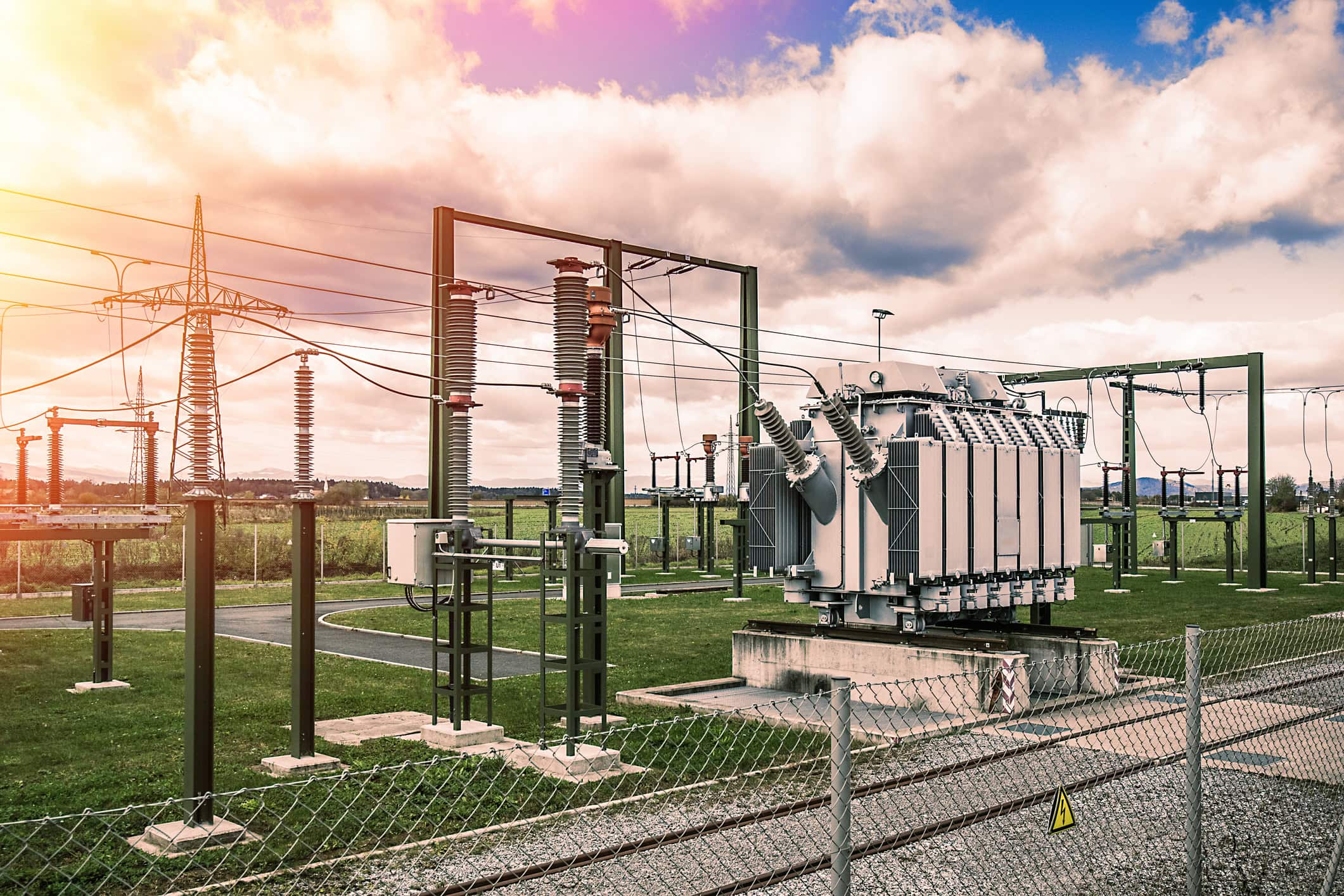
You need different transformer power for industrial plants and power stations and different power for public buildings, shopping malls and hospitals.
How to find the optimal solution? Recommendation when choosing a transformer
Calculate the load factor and select the appropriate power. Also take into account the space available, humidity, temperature and dustiness of the environment. Consider whether it is an outdoor or indoor installation. Outdoor spaces allow the use of larger units. Oil models are more suitable for outdoor applications, for example, for placement in a transformer station, while dry types are preferably intended for indoor operations, for example in industry.
BEZ TRANSFORMÁTORY is one of the leaders in the manufacturing industry and offers a broad portfolio of products designed for a variety of needs and applications. They provide long-lasting and efficient operation and represent a modern solution with an emphasis on safety and environmental friendliness. The company adapts to market needs, invests in research and development and develops products that meet the most stringent standards. It delivers optimal solutions and meets the needs of a variety of customers from small businesses to large industrial corporations.
If you are looking for a reliable and efficient solution, contact us. We offer a wide portfolio of oil and dry transformers, which we will help you tailor to your exact needs.



Leave a Reply
Want to join the discussion?Feel free to contribute!