Transformer life: how to extend its operation?
Technical, operational and environmental factors determine how long a plant will operate reliably. Deteriorated insulation, overloading or inadequate maintenance can lead to reduced performance, higher losses and ultimately premature failure. Thus, reduced transformer lifetime is not just a technical problem. It also represents a significant financial loss, as the replacement or overhaul of equipment is one of the most costly interventions in the electricity industry.
Factors affecting transformer life
Transformer life is the result of the interplay of a number of physical, chemical and operational phenomena. The following factors are among the most significant.
Thermal stress and overload
If the equipment is operated at a higher temperature than specified by the manufacturer for an extended period of time, the degradation of insulation materials is accelerated. Therefore, make sure that
Quality of the insulation system
If the condition of the insulation system deteriorates, not only the electrical strength but also the overall service life of the transformer is reduced. The most common problems are moisture, oil oxidation and contamination by dirt. For this reason, regularly check the physicochemical properties of the insulating oil. Prevention in this case is much cheaper than subsequent repair.
Vibration and mechanical stress
Prolonged vibration can lead to loosening of windings, damage to connections and weakening of the core. Proper design is therefore the basis for a long service life. In practice, it is recommended to check the fit of the screws and damping elements regularly, especially after major short circuits or equipment transports.
Influence of the external environment
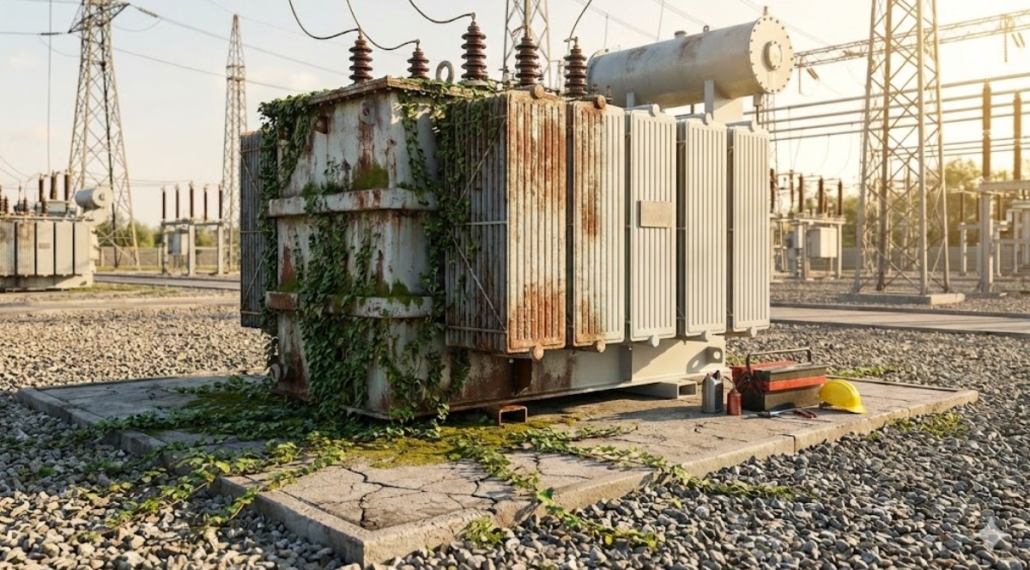
Dust, moisture, corrosive environments or extreme temperatures can accelerate the ageing of materials and reduce insulation properties. In addition, transformers located outdoors are exposed to sudden changes in temperature, UV radiation and weathering. Therefore, use appropriate protective coatings, seals and filtration systems. Proper ventilation and regular leakage checks are also important, especially for oil-immersed transformers.
Quality of installation and pre-commissioning checks
Improper cable connections, loose contacts or neglected cooling can significantly shorten the operating life of the transformer. The key is therefore professional installation, careful checking before start-up and adherence to the manufacturer’s recommendations throughout the lifetime of the transformer.
Inspections and revisions as the key to long transformer life
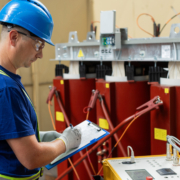
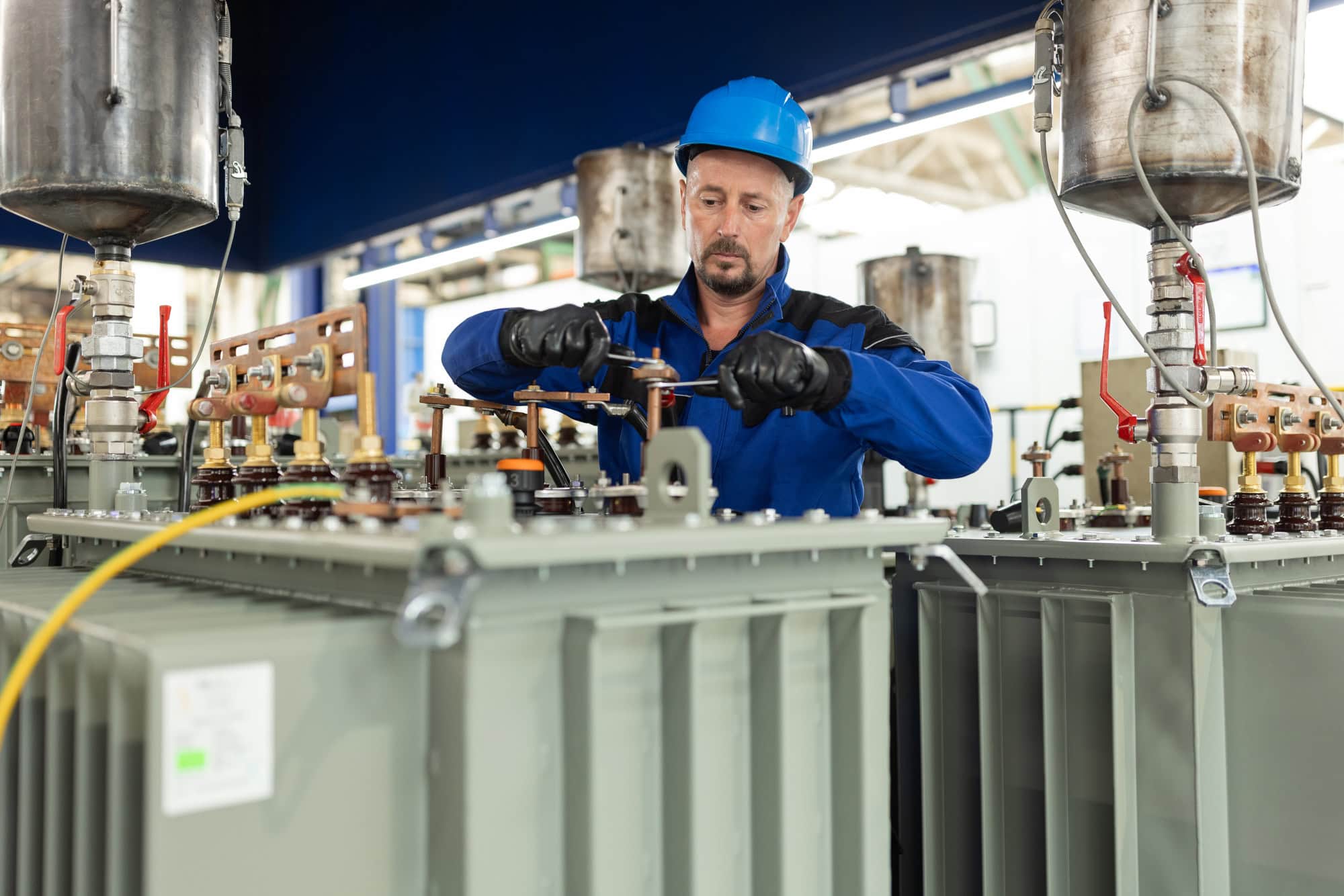
Even the best quality transformer needs regular checks and inspections. A properly set up inspection program can extend the life of a transformer by decades while increasing its efficiency by reducing energy losses and minimizing the risk of failure. Inspections and revisions should include the following steps:
- oil tightness check,
- analysis of oils and gases,
- electrical testing, protection calibration and transformer earthing,
- control of noise, vibration and ambient temperature,
- correct setting and securing of the tap changer.
The investment in inspections and revisions always pays off in lower operating costs, higher transformer efficiency and, above all, a longer and more reliable service life.
Preventive measures to reduce wear
Although the transformer has its design limits, the right approach can significantly extend its life and maintain high efficiency throughout operation. Preventive measures do not only mean regular inspections, but also strategic decisions on operating methods, upgrades and operator behaviour:
- proper operation and load management,
- modernisation and technical improvements,
- temperature and humidity control,
- operator training and competence,
- strategic planning and predictive maintenance.
Preventive measures are not just a set of technical steps, but an overall philosophy of how to approach a facility. If applied consistently, they can extend the life of a transformer by decades while reducing both energy and service costs.