Tag Archive for: special transformers

Transformer load classes: how do they affect operation?

Load classes of transformers represent one of the key technical parameters that fundamentally affect their performance, reliability and overall lifetime. They determine how much load a transformer can safely bear during operation, taking into account modes such as sustained load, short-term overload and peak load. They are defined by international technical standards, in particular STN EN IEC 60076-7 that optimise the operation of transformers in different, often extreme, conditions.

Definition and types of load classes

In practice, there are often situations where power must be transmitted in excess of the rated rated power of the transformer. It is in such cases that the load class, which defines the maximum permissible overload and its duration, comes into consideration:

  • Smooth mode: This mode represents the ideal conditions under which the transformer operates at 100% of rated power for the entire operating period. The heat generated inside the transformer remains in equilibrium with the cooling capacity, ensuring stable and long-term operation.
  • Short-term overload: a typical example is an overload of 150% of rated power for 2 hours. This happens commonly, for example, during peak demand on the power grid. However, the transformer must be able to cope with such a load without permanent damage to the insulation system.
  • Peak overload: this mode refers to extremely short but intense overloads. An example is a load of 200% of rated power for 15 minutes. These peaks most often occur where there are sudden and large current draws, such as industrial machinery or electric furnaces.

Most notably , the concept of load classes is applied to traction transformers used in mass transit systems such as subways, trams, trolleybuses, and trains. In these applications, the operating mode is highly cyclic. It alternates high load (starting and climbing) with low load (inertia driving) or full relief (stopping). STN EN 50329 specifies detailed load cycles for traction transformers, defining classes such as IA, IB, IC, ID, IE, V, VI, VII, VIII, IXA and IXB. Each of these classes represents a unique load profile that the transformer must reliably handle. For example, Class V applies to trolleybuses and trams, while Class IXA applies to mainline railways, where congestion requirements are even higher.

transformer load classes

Impact of load classes on operation and service life

Choosing the right load class has a direct impact on the entire life cycle of the transformer. A key factor is thermal resistance, which is directly linked to the load. At higher loads, more heat is generated in the transformer, especially in the windings. If this heat is inadequately dissipated, the insulation materials can overheat, leading to degradation and shortened service life.

The load class therefore determines not only the maximum output but also the maximum permissible winding temperature. These temperature limits ensure that the transformer can operate safely in various modes without risk of damage. For manufacturers, this represents an important parameter when sizing the cooling system, insulation materials and the windings themselves. A properly designed class allows optimising energy losses, which are directly proportional to the square of the current, and thus extending the life of the equipment.

In addition to heat, the transformer must withstand other stresses such as mechanical stress, electrical surges and environmental influences. The load class and its specification also take these factors into account, ensuring that the transformer is robust and reliable even under harsh operating conditions.

transformer

The load class of a transformer is much more than just a technical parameter

It is a comprehensive figure that reflects its operational capability, heat resistance and overall service life. Proper sizing of the transformer according to its load class is key to its reliable and economical operation. It ensures that the equipment can handle not only standard operating conditions, but also overloads. This is crucial for long-term stability and minimizing maintenance costs and potential outages. Due to the increasing demands of modern grids and the specifics of various applications such as mass transit or RES, the importance of properly understanding and applying load classes is continuously increasing.

We have a solution for any load class

Are you looking for a customized solution for your industrial, traction or photovoltaic projects? At BEZ TRANSFORMÁTORY we understand the specific requirements of each application and design transformers that guarantee maximum efficiency, reliability and long life. Contact us and our experts will help you select the right transformer to meet all your technical requirements and optimize your operating costs.

Transformer breakdown: what do thermal classes mean and how do they affect performance

Transformers provide power transmission and distribution between different voltage levels. Their reliability and longevity depend not only on the design and type of core or winding used, but also on their ability to withstand the heat generated during operation. In the following sections, we will therefore look at the division of transformers according to thermal classes.

Thermal classes of transformers

The thermal class of the transformer represents the maximum operating temperature of the insulating material at which the equipment can operate safely without risk of damage. This parameter is defined by international standards and is a key element in determining the lifetime and reliability of the equipment.

Insulating materials have different heat resistance. Therefore, the thermal class of the transformer is directly related to the type of materials used for winding and core insulation:

  • The higher thermal class allows the transformer to operate at higher temperatures, which can be advantageous in higher load applications or with frequent load fluctuations.
  • A lower thermal class, on the other hand, means that the transformer operates at lower temperatures and its lifetime may be shorter under the same operating conditions.

Division of transformers by thermal class

According to international standards, transformers are classified into several thermal classes, which determine the maximum permissible operating temperature of their insulating materials. The most common classes are:

  • Thermal class A ( maximum operating temperature 105 °C): mainly used in oil-immersed transformer types. These are materials with lower heat resistance, suitable for applications where less heating is expected.
  • Thermal class B ( maximum operating temperature 130 °C): commonly used in industrial equipment and network switchgear. Provides a balanced combination of durability and resistance to thermal loads.
  • Thermal class F ( maximum operating temperature 155 °C): used in dry or epoxy transformers with higher loads or where larger thermal peaks occur. It increases the resistance of the equipment and extends its lifetime in heavy duty applications.
  • Thermal Class H ( maximum operating temperature 180 °C): designed for special transformers or applications with extreme thermal loads. Guarantees maximum safety and long service life even at very high operating temperatures.

Types of transformers and their thermal specifications

Transformers can be divided into several main types according to design, cooling method and purpose. For each of these, the thermal class is a key parameter influencing performance, safety and lifetime:

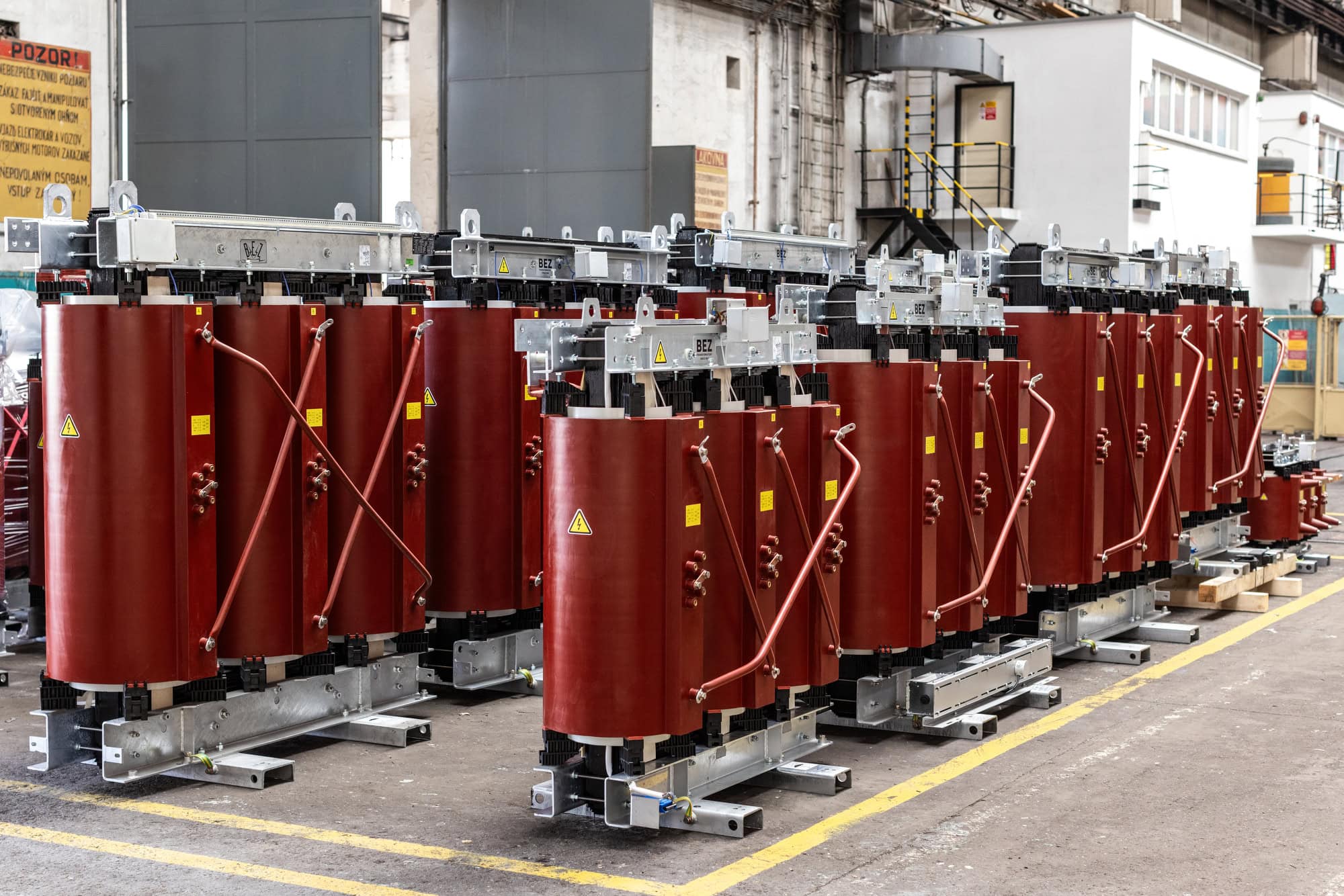
  • Dry transformers: They use air or other gases to cool the windings. These transformers are most commonly manufactured in thermal class F, but also occur in class H. They are recommended for areas with high safety requirements, such as schools, hospitals, offices, and are also suitable for industrial applications due to their higher durability.
  • Oil TransformersA: They use transformer oil as a refrigerant and insulating material. The thermal class is normally A or B. They are ideal for distribution networks. The oil also serves as an insulating material, which increases the safety and life of the transformer.
  • Special transformers: They are used by critical applications, high power or industrial equipment. Thermal class A to H, often with special cooling systems (e.g. oil circulating or forced cooling). They are used where maximum reliability and minimized downtime are essential.
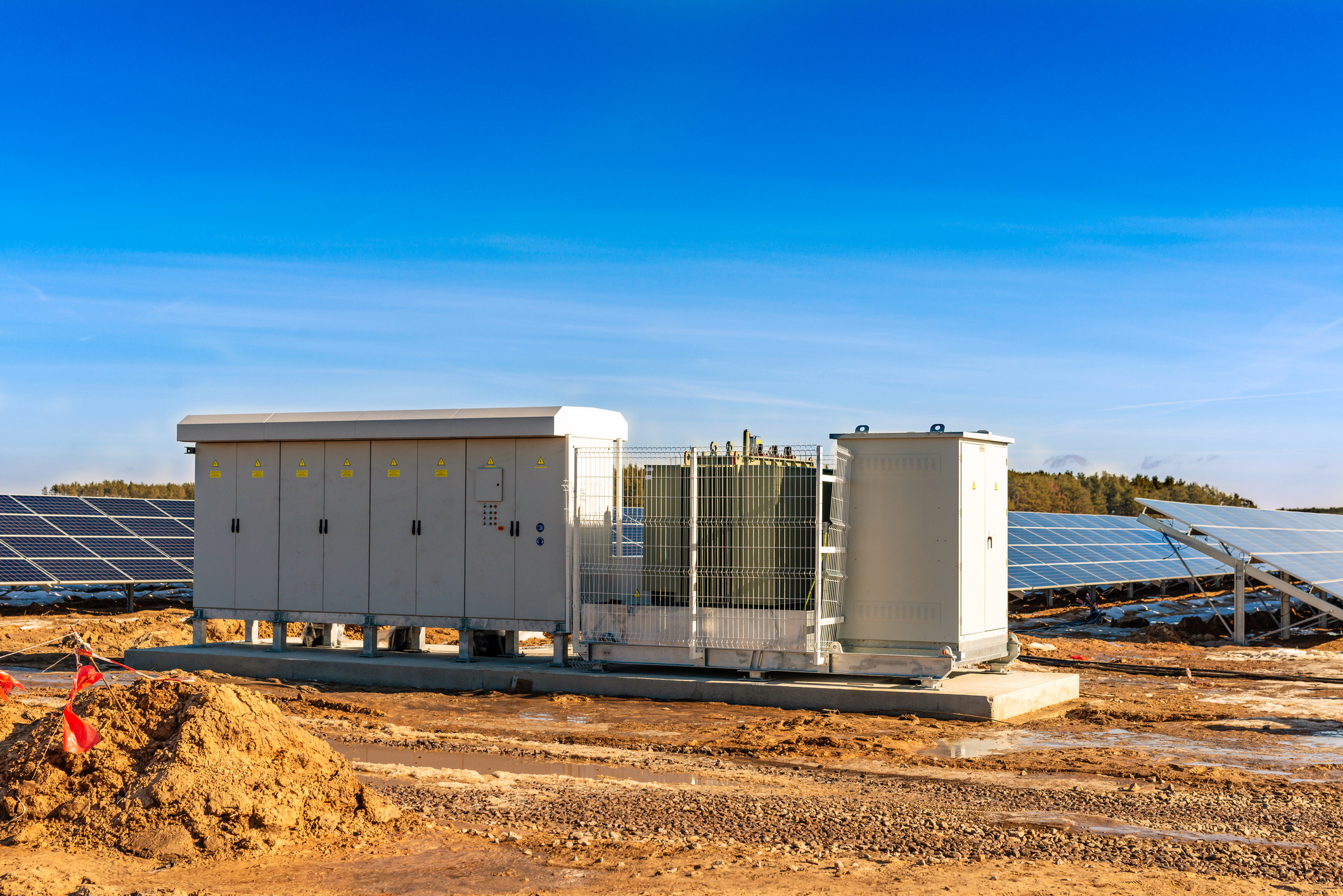
  • Transformers for RenewablesA: Designed for solar, wind and other renewable energy sources. They often combine dry or oil-immersed construction with thermal class A to F depending on power rating and load intensity. They have to cope with power fluctuations and adapt to intermittent renewable energy generation. Intelligent temperature control systems help prevent overheating and optimize transformer life.

Effect of thermal class on performance and safety

The thermal class of the transformer has a direct impact on its operating performance, service life and safety. A higher thermal class allows the transformer to operate at higher loads without the risk of overheating. Overloading below the thermal capacity, on the other hand, can lead to increased losses and reduced efficiency. It is the optimally selected thermal class that allows the energy to be distributed efficiently even under fluctuating loads.

Transformer insulation materials degrade faster at high temperatures, so the closer the operating temperature is to the maximum thermal class, the faster the insulation aging occurs. Proper selection of the thermal class therefore extends the life of the equipment. The thermal class also determines the maximum safe operating temperature, thus protecting the transformer from overheating and possible failures. An improperly oversized transformer can cause a risk of fire or grid failures.

insulation materials

Only transformers with a suitable thermal class can operate stably under different operating conditions.

Practical recommendations from professionals

When selecting, consider the type of transformer, its design, installation location, expected operating load and specific conditions such as industrial environment or integration with renewable energy sources. When planning and upgrading electrical networks, select transformers not only according to power and winding type, but also according to thermal specifications. Taking thermal classes into account helps to prevent overheating, outages and faults, thereby improving the safety and reliability of the entire system.

Battery storage: the future of energy

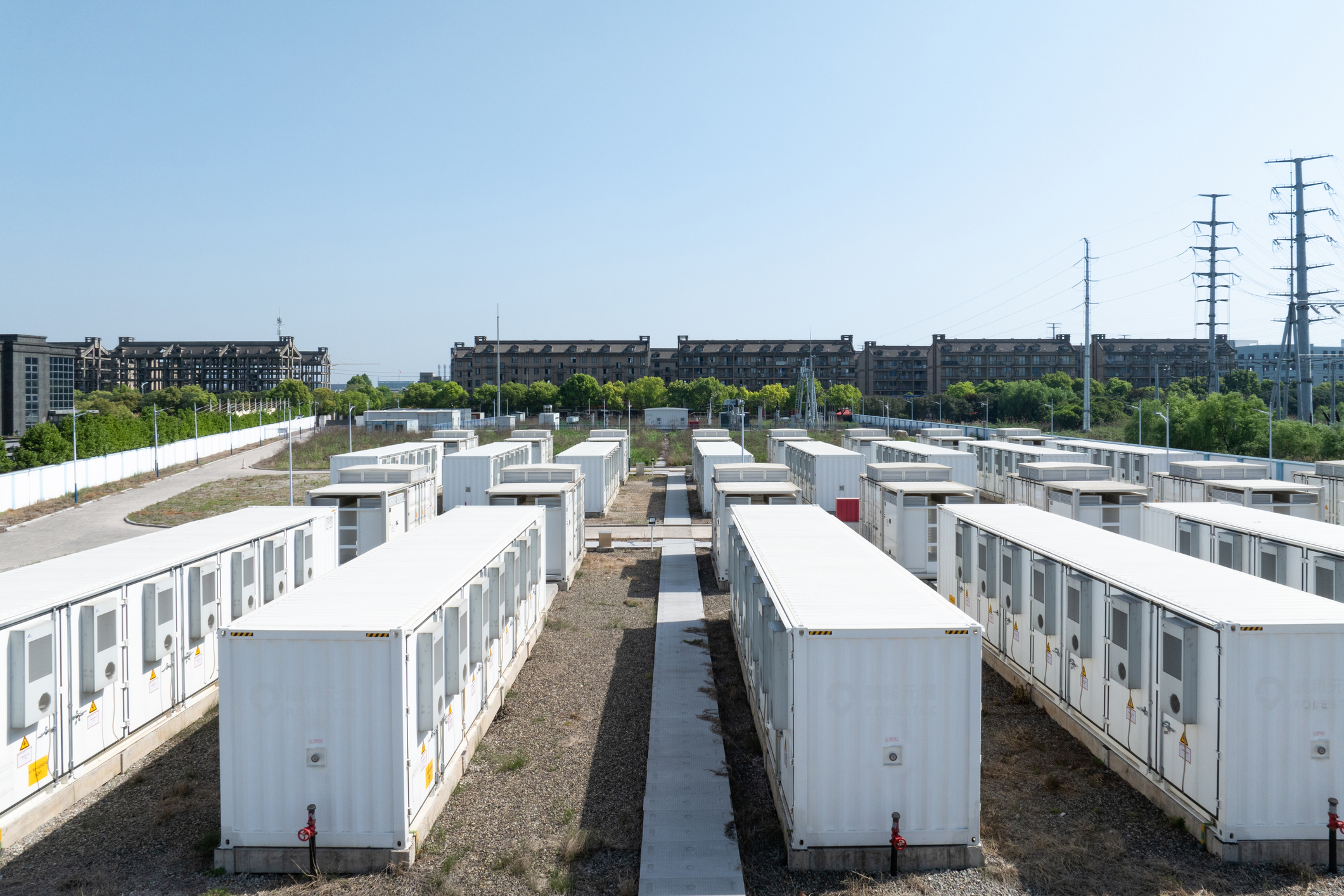
Battery storage is becoming a key element of modern energy networks. They can stabilise the grid, provide back-up power and optimise power flow. They also represent a technical challenge for transformer and power distribution companies. But it is also an opportunity to integrate modern solutions into existing infrastructure. Choosing the right type of storage, its capacity and compatibility with transformers are critical factors for the efficient and reliable operation of any power system.

The importance of battery storage in modern energy networks

Modern electricity grids increasingly have to cope with fluctuations in power generation, especially as a result of the growing share of renewables. Battery storage makes it possible to smooth out such fluctuations and provides flexibility and a reliable supply of electricity. The main benefits of battery storage include:

  • network stabilization,
  • support for renewable sources
  • and backup power supply.

However, battery storage integration is not just a question of battery capacity, but also of proper coordination with transformers and other grid infrastructure. Only a well-designed system can optimize power flow, extend equipment life and reduce operating costs.

battery storage and renewables


Overview of battery storage technologies

There are a number of battery storage technologies that vary in capacity, durability, efficiency and cost:

  • Lithium-ion batteries are the most widely used technology in modern storage. They are used in systems where fast and efficient energy regulation is required.
  • Lead acid batteries are a traditional technology with lower costs. They are suitable for backup systems or smaller applications where high cycle frequency is not critical.
  • Alternative technologies include sodium, vanadium and other battery types that may be more economically viable at large capacities.

Battery storage integration with transformers

Transformers play an important role in the distribution of electricity and its interconnection with storage, allowing power flow to be optimised and losses minimised. Efficient integration of battery storage with transformers is therefore crucial for reliable and energy-efficient grid operation.

  • Battery storage needs to be sized to work with the capacity and voltage levels of the transformers.
  • Modern systems allow intelligent control of the energy supply between the battery, transformer and grid according to actual demand and production.
  • Properly designed interconnection protects transformers and batteries from overloads, voltage fluctuations and other faults.

The integration of battery storage represents a strategic step towards the modernisation of the energy infrastructure and provides transformer companies with a competitive advantage in implementing smart and flexible solutions.

Economic aspects, price and interconnection with transformers

When implementing battery storage, consider not only the battery technology, but also the type of transformers the storage will work with. The cost and efficiency of the overall system will then depend on the combination of these elements.

  • Lithium-ion batteries provide high energy density and long life, making them ideal for working with dry-type transformers used in areas with high safety requirements.
  • Larger battery storage is better combined with oil transformers that can handle higher loads and energy peaks.
  • In industrial applications or critical equipment , special transformers are used which , together with battery storage, allow the power flow to be optimised and outages to be minimised.

Battery storage is an integral part of the modern energy sector, especially in an era of increasing renewable energy sources. The choice of the type of battery storage and its integration with dry oil or special transformers affects efficiency, reliability and return on investment.

How the transformer works: a simple explanation for everyone

Even if you don’t know how a transformer works, it would be hard to imagine your life without one. Yet many people don’t know what it is and how it actually works. That’s why today we’ll explain the principle of its operation in a simple and understandable way. We will look at the basic processes that take place in it and show you its practical use.

The principle of operation of the transformer

The transformer changes the electrical voltage. It can either increase or decrease it. Its basic parts include coils of aluminum or copper wire, called primary and secondary windings. Between them is a metal core, usually made of mild steel.

When an alternating electric current is applied to the first coil (primary winding), a magnetic field is created around it. This magnetic field travels through the metal core of the transformer to the second coil (secondary winding) where the changing magnetic field “touches” the conductor and causes a new electric current to appear in it. This is called induction. Depending on how many turns the second coil has compared to the first, the voltage will either increase or decrease.

This phenomenon is described by Faraday’s law of electromagnetic induction, which states that “a change in the magnetic field over time induces an electric voltage in the coil”. This means that the transformer only works with alternating current because direct current would not create the changing magnetic field needed for induction.

This way the transformer changes voltage without anything moving in it. The whole process is based on a magnetic field and alternating current.

transformer

How the transformer and its individual parts work

The transformer has two main windings. The primary winding is the part that receives the electric current from a source such as a power plant. The secondary winding passes the treated voltage to where we need to get it, for example to household appliances. The two windings are wound from copper or aluminium wires and separated from each other so that the electric current cannot flow directly, but only through the magnetic field in the core.

The core is a metal part, most often made of steel or iron, which is placed between the windings. Its function is to conduct the magnetic field generated in the primary winding to the secondary winding. Thanks to the core, the magnetic field is concentrated and the transformer operates efficiently.

Types of transformers

In practice, we encounter various types of transformers, which differ in design and application:

  • Dry transformers have an air-cooled core and windings. They are mainly used indoors or where cleanliness and safety are important, such as in hospitals or offices. They are more environmentally friendly as they do not contain oil, but have lower maximum outputs.
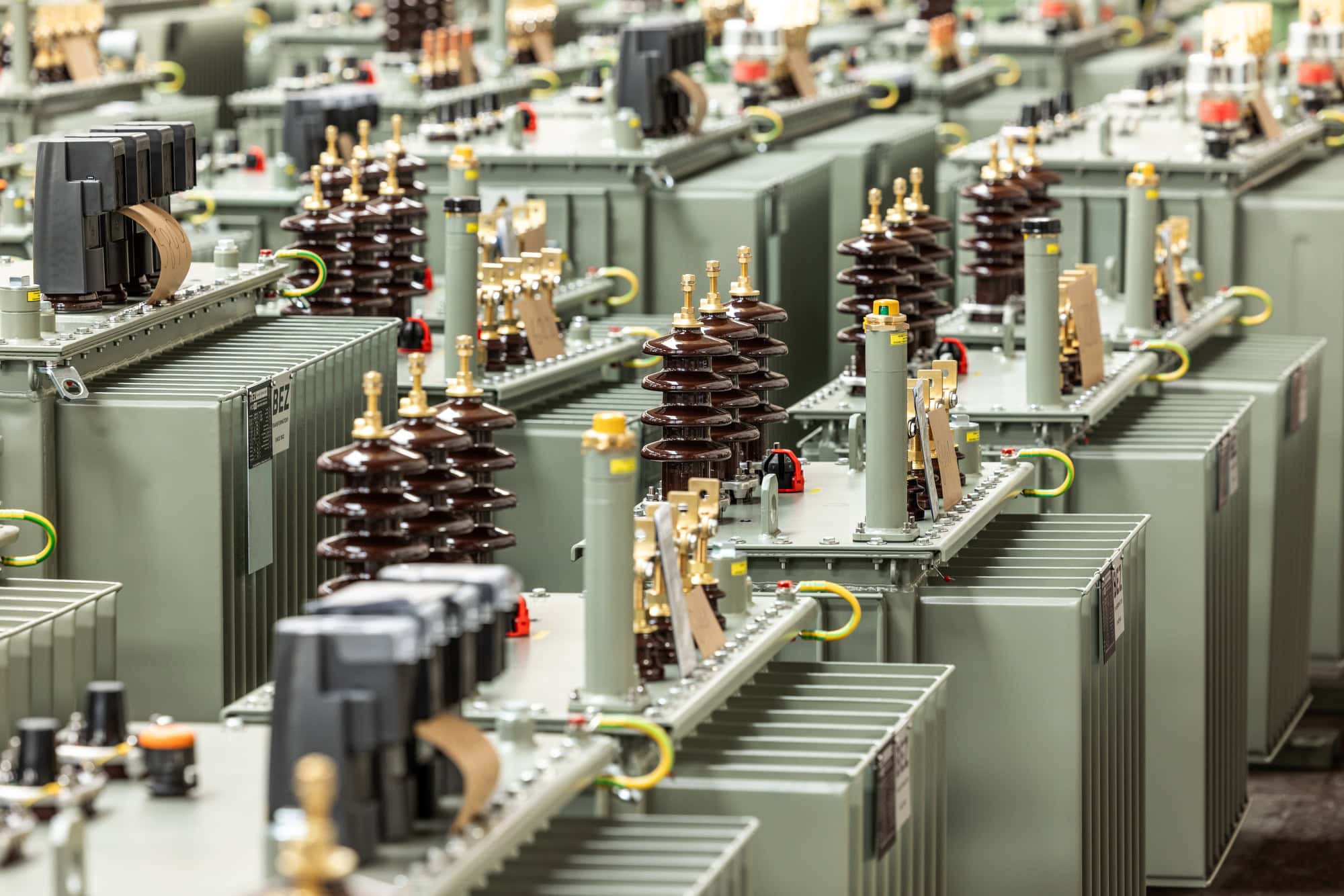
  • Oil Transformers are filled with insulating oil, which helps to cool the windings and insulate them at the same time. They are mainly used in large substations and high power applications as the oil improves heat dissipation and reduces the risk of overheating.
  • There are also special transformersthat are designed for specific purposes, for example, interconnecting, three-winding, inverter, single-phase, excitation or earthing transformers.
  • Many are also adapted to work with solar panels, wind turbines or other sources. Transformers for renewable energy sources supply electricity with specific parameters and help to connect these sources to the grid correctly.
transformer

Practical use of transformers in electrical networks

Transformers safely and efficiently transmit electricity from power stations to our homes. This is because electricity is generated in large, high-voltage power stations to minimise losses in long-distance transmission. However, when it comes closer to where we want to use it, substations have to reduce its voltage to a level that is safe for homes or industry. This allows us to plug in appliances such as a TV, computer or fridge at home without worrying about anything going wrong.

BEZ TRANSFORMÁTORY, we could not…

use common household appliances, as most of them need low voltage.

to transmit electricity over long distances without huge losses.

to work safely with high voltage in industry or power industry.

Understanding the basic principle of how a transformer works helps us to better understand how important these devices are in our daily lives. Even if we don’t see them, modern society could not function without them.