Transformer life: how to extend its operation?

Technical, operational and environmental factors determine how long a plant will operate reliably. Deteriorated insulation, overloading or inadequate maintenance can lead to reduced performance, higher losses and ultimately premature failure. Thus, reduced transformer lifetime is not just a technical problem. It also represents a significant financial loss, as the replacement or overhaul of equipment is one of the most costly interventions in the electricity industry.

Factors affecting transformer life

Transformer life is the result of the interplay of a number of physical, chemical and operational phenomena. The following factors are among the most significant.

Thermal stress and overload

If the equipment is operated at a higher temperature than specified by the manufacturer for an extended period of time, the degradation of insulation materials is accelerated. Therefore, make sure that the transformer is properly sized and avoid overloading it for long periods of time. Even short-term overloading can leave lasting effects if repeated too often.

Quality of the insulation system

If the condition of the insulation system deteriorates, not only the electrical strength but also the overall service life of the transformer is reduced. The most common problems are moisture, oil oxidation and contamination by dirt. For this reason, regularly check the physicochemical properties of the insulating oil. Prevention in this case is much cheaper than subsequent repair.

Vibration and mechanical stress

Prolonged vibration can lead to loosening of windings, damage to connections and weakening of the core. Proper design is therefore the basis for a long service life. In practice, it is recommended to check the fit of the screws and damping elements regularly, especially after major short circuits or equipment transports.

Influence of the external environment

Dust, moisture, corrosive environments or extreme temperatures can accelerate the ageing of materials and reduce insulation properties. In addition, transformers located outdoors are exposed to sudden changes in temperature, UV radiation and weathering. Therefore, use appropriate protective coatings, seals and filtration systems. Proper ventilation and regular leakage checks are also important, especially for oil-immersed transformers.

Quality of installation and pre-commissioning checks

Improper cable connections, loose contacts or neglected cooling can significantly shorten the operating life of the transformer. The key is therefore professional installation, careful checking before start-up and adherence to the manufacturer’s recommendations throughout the lifetime of the transformer.
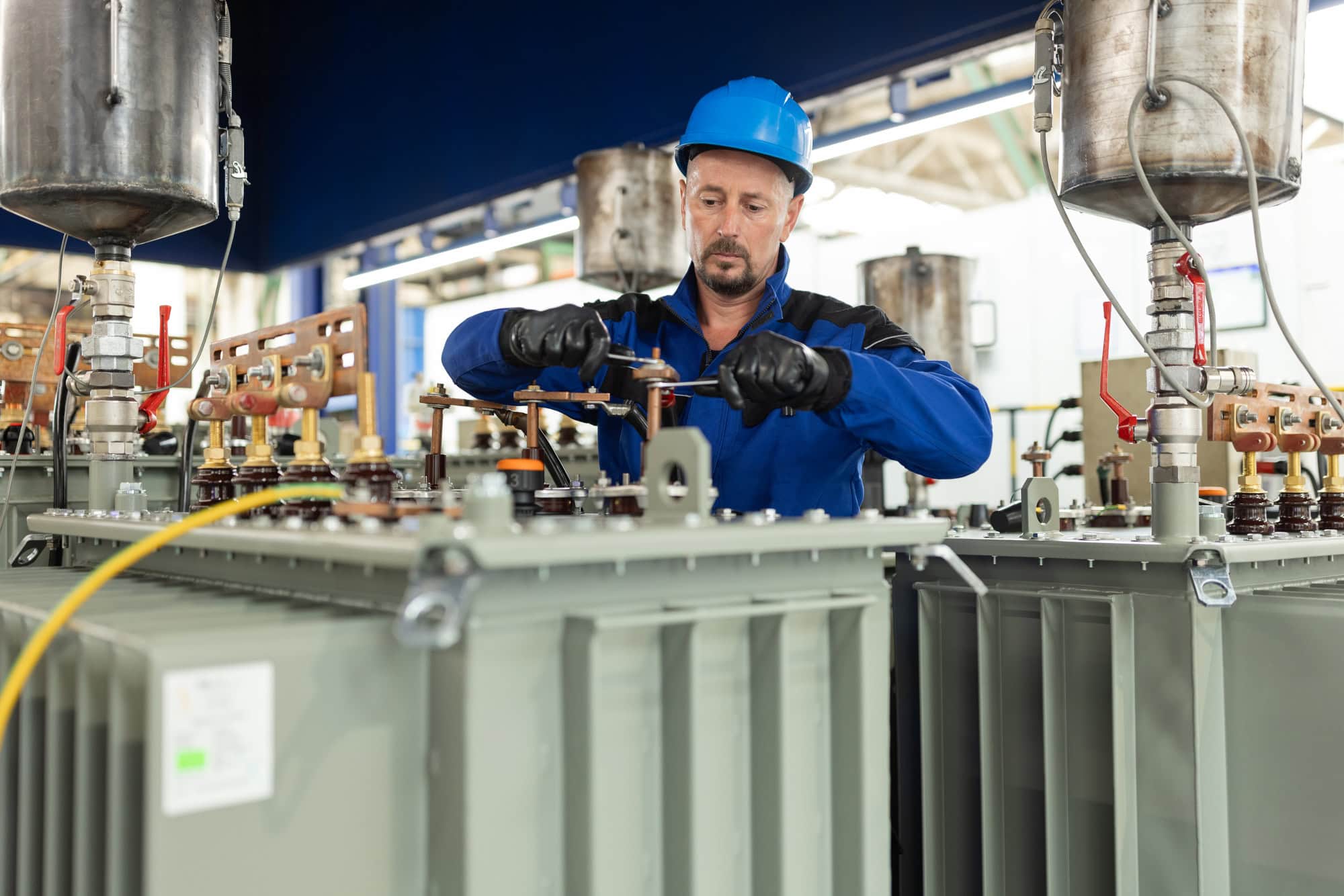
Factors Affecting Transformer Lifetime, Quality of Installation and Inspection Before Starting

Inspections and revisions as the key to long transformer life

Even the best quality transformer needs regular checks and inspections. A properly set up inspection program can extend the life of a transformer by decades while increasing its efficiency by reducing energy losses and minimizing the risk of failure. Inspections and revisions should include the following steps:

  • oil tightness check,
  • analysis of oils and gases,
  • electrical testing, protection calibration and transformer earthing,
  • control of noise, vibration and ambient temperature,
  • correct setting and securing of the tap changer.

The investment in inspections and revisions always pays off in lower operating costs, higher transformer efficiency and, above all, a longer and more reliable service life.

Preventive measures to reduce wear

Although the transformer has its design limits, the right approach can significantly extend its life and maintain high efficiency throughout operation. Preventive measures do not only mean regular inspections, but also strategic decisions on operating methods, upgrades and operator behaviour:

  • proper operation and load management,
  • modernisation and technical improvements,
  • temperature and humidity control,
  • operator training and competence,
  • strategic planning and predictive maintenance.

Preventive measures are not just a set of technical steps, but an overall philosophy of how to approach a facility. If applied consistently, they can extend the life of a transformer by decades while reducing both energy and service costs.
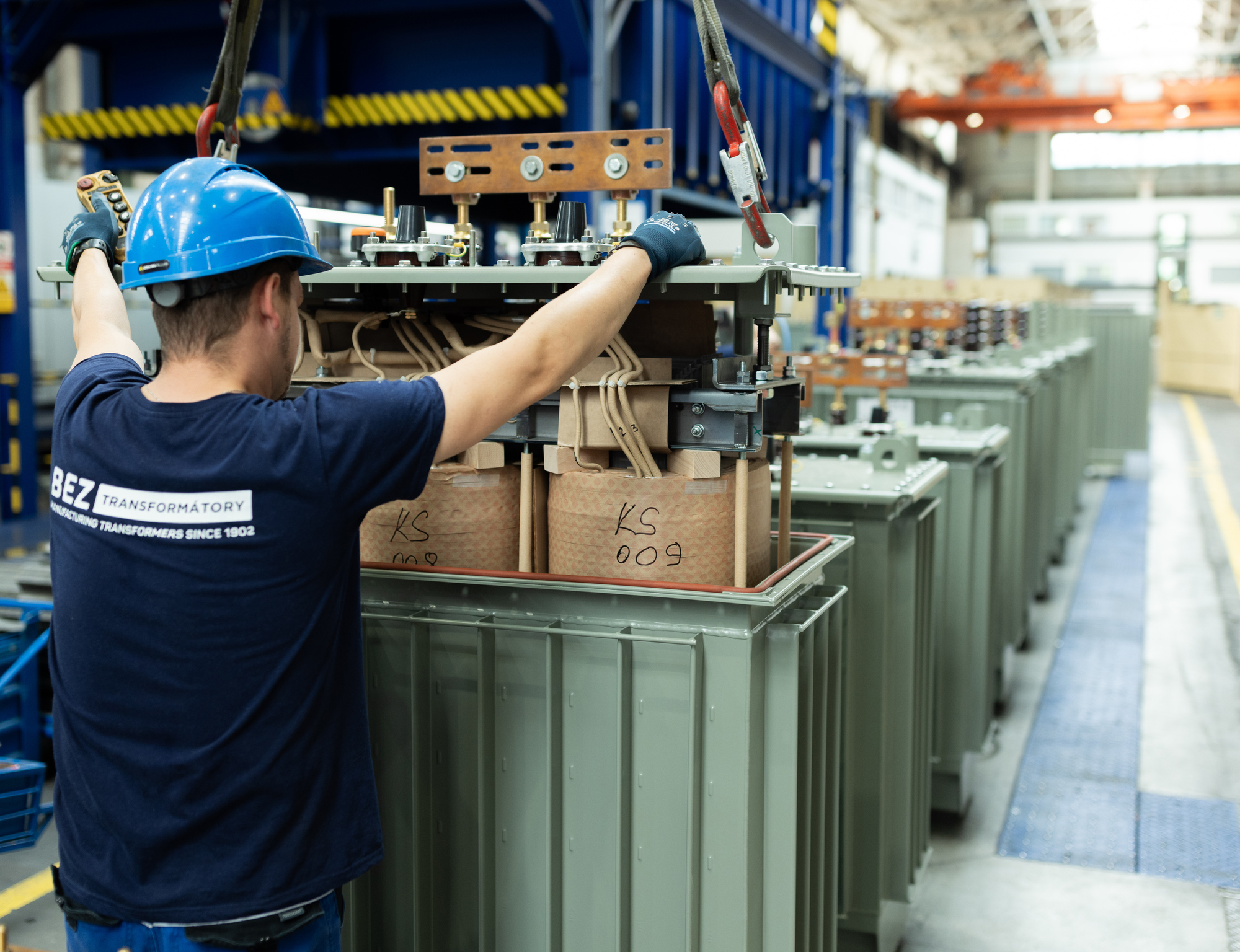

When is transformer replacement needed?

Every piece of equipment has a lifespan, and after years of operation there comes a point when repairs are no longer enough. Replacing the transformer will prevent sudden breakdowns, power outages or unnecessary costs for constant maintenance. In this article, you’ll learn when it’s time for replacement, what signs indicate wear and tear, what criteria to consider when making a decision, and how the process of installing a new transformer works.

Transformer wear symptoms

Early recognition of warning signals will prevent crashes and costly outages. The most common signs include:

  • increased overheating and unusual noise,
  • transformer power drop,
  • damage to the insulating oil,
  • insufficient insulation or leaks,
  • mechanical damage and corrosion,
  • increase in breakdowns and more frequent maintenance.

If the transformer exhibits excessive heating or makes unusual noises, it may indicate damage to the windings, core or insulation materials. A gradual increase in voltage drop, reduced efficiency or fluctuations in output parameters indicate that the transformer can no longer perform its original function. Oil discolouration, the presence of moisture, odour or visible oil leaks indicate that the insulation system is losing its properties. Cracks, rust, damaged terminals or loose connections on the bushings or transformer housing are not only aesthetic, but especially a serious safety problem.

If the transformer requires regular repairs or faults recur at short intervals, this is a clear sign of approaching end-of-life. In such cases, transformer replacement is often a more economical solution than further investment in repairs.

transformer replacement

Transformer replacement criteria

Recognising the signs of wear and tear is only the first step. After that, the actual decision as to whether transformer replacement is necessary depends on a number of factors:

  • the age and service life of the equipment,
  • economic efficiency,
  • change in performance requirements,
  • norms and safety standards,
  • Preventive exchange for critical infrastructure.

Transformers have a limited design life, which is most often in the range of 20-40 years, depending on the type and operating conditions. If the cost of regular repairs and maintenance exceeds the cost of a new unit in the long term, replacement is the logical choice. When the grid is expanded, demand increases or technological changes occur, the existing transformer may not be sufficient. Therefore, installing a new unit with a higher capacity will ensure reliable coverage of future needs. In energy-intensive operations or facilities where an uninterrupted supply of electricity is crucial (hospitals, data centres, industrial plants), it is often more advantageous to replace the transformer as a precautionary measure than to risk an unplanned outage.

Newer standards require stricter legislative requirements and environmental regulations. Conversely, older types of transformers may contain insulating oils or materials that no longer meet current environmental and safety standards.

An old transformer manufactured according to the standards in force at the time has, among other things, higher operating costs. Although the transformer is less loaded, it still draws some energy (no-load losses) to magnetize the core. The cost of such a transformer represents a significant financial cost. In addition, older standards set these losses at much higher levels than the stringent European Union standards in force today, which instruct manufacturers to comply with the Ecodesign 2 loss level on all newly installed transformers (some exceptions apply). Transformer loss capitalisation is used to calculate transformer payback. Simply put, it is the conversion of technical values (losses) into financial costs.

The process of installing new equipment

Transformer replacement itself is not just about dismantling the old equipment and installing the new one. In fact, it is a complex process that requires thorough preparation, expert supervision and precise execution of every step:

  1. Needs analysis and solution design
  2. Transformer selection and manufacturing
  3. Dismantling old equipment
  4. Installation and testing of the new transformer
  5. Warranty and post-warranty service

The first step is to assess the current and expected electricity consumption. Modern transformer manufacturing allows the equipment to be tailored to the customer’s specific requirements, from capacity and cooling system to environmentally friendly insulating oil solutions. Once the needs have been assessed, the old transformer is professionally disconnected from the grid and safely dismantled by experts. This step also includes environmentally friendly disposal or recycling, that meets applicable environmental standards. Delivery of the new equipment is followed by installation, connection to the network and carrying out the necessary tests. Testing includes checking electrical parameters, insulation strength and the functionality of protection systems. After commissioning , regular maintenance and monitoring of operating parameters is important . Professional servicing prolongs the life of the equipment and reduces the risk of unexpected failures.

If your transformer is nearing the end of its useful life or exhibiting any of the above symptoms, don’t hesitate to contact the professionals. At BEZ TRANSFORMÁTORY, we provide a full range of services from needs analysis to custom transformer fabrication to installation and long-term service. We can also provide you with a loss capitalization calculation and therefore when you will recover the cost of a new transformer.