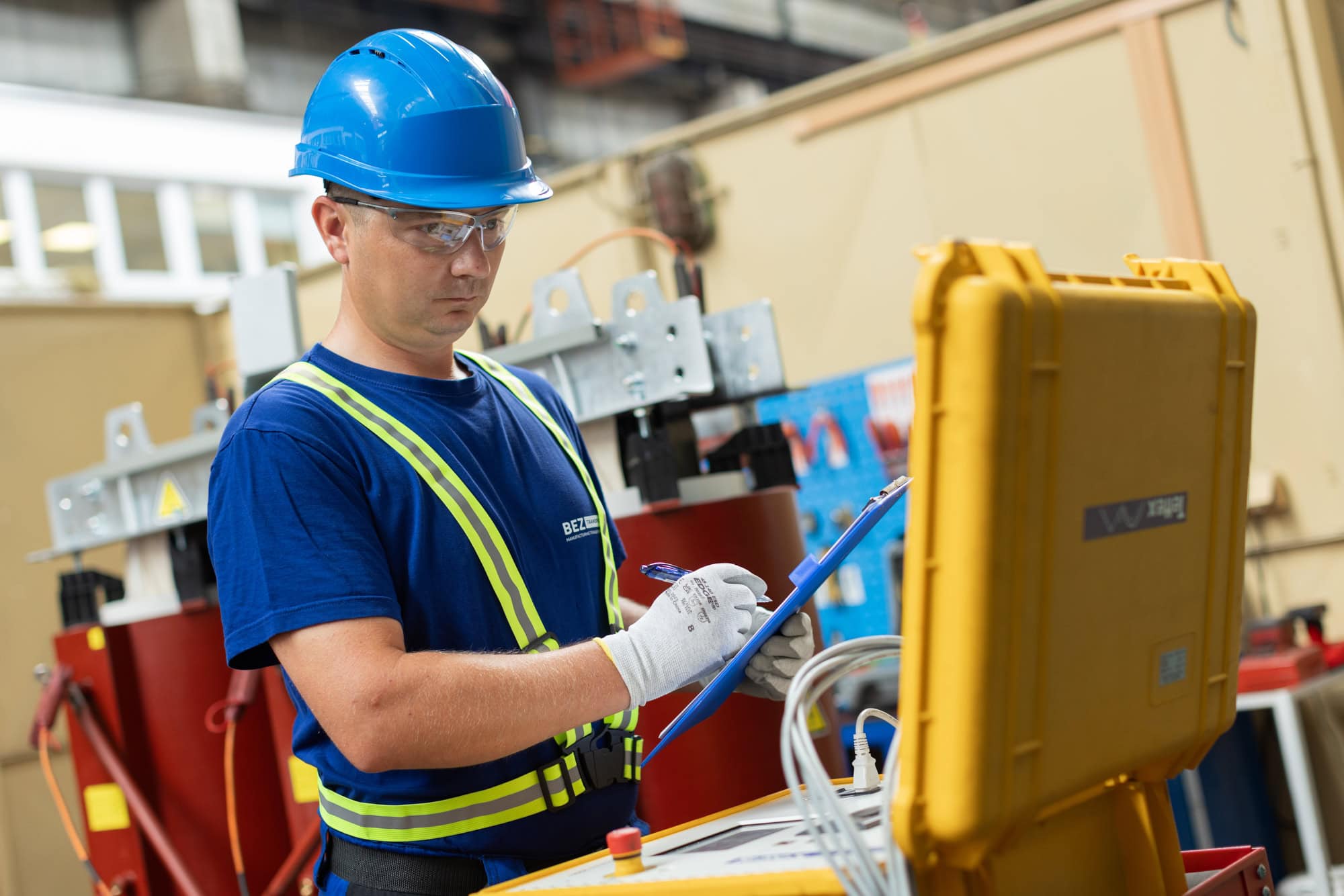
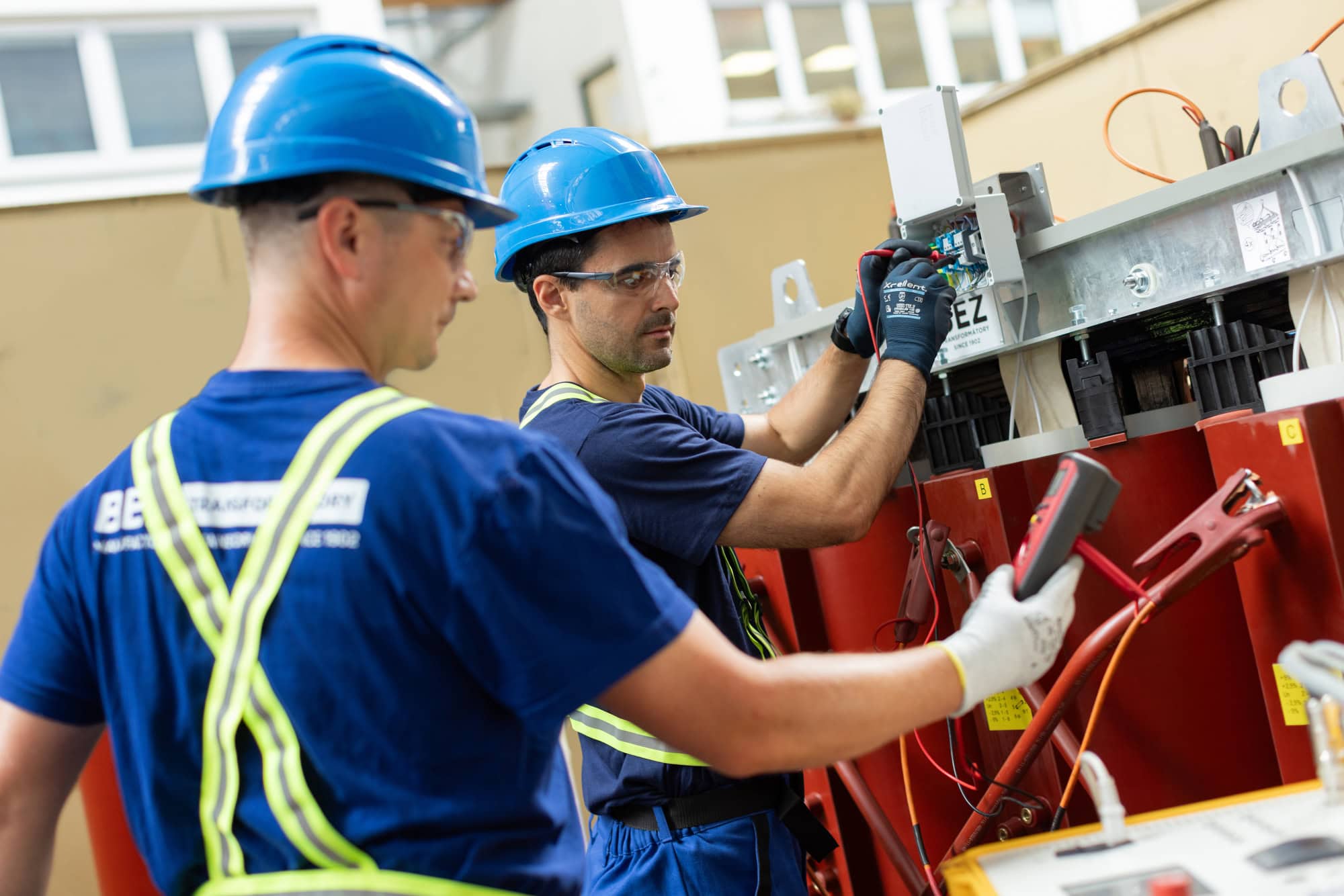
Low-loss transformers: modern technologies and materials
Low-loss transformers and energy efficiency have become a global priority. In particular, the focus is on minimising losses. Every percentage reduction in losses translates into massive energy savings at the level of the entire distribution network, which has a direct economic and environmental impact. Lower losses not only mean lower operating costs, but also a significant reduction in CO 2 and less burden on the environment. This trend has also been formalised legislatively, notably through the stringent Commission Regulation (EU) 2019/1783 (Ecodesign 2021, Stage 2), which sets uncompromising requirements for transformer losses.
Understanding transformer losses
We divide transformer losses into two main groups, which have different sources and require different design solutions.
1. Idle losses (iron losses)
These losses occur in the magnetic core of the transformer. They are constant and do not depend on the load. They are consumed by the transformer whenever it is connected to the grid, even if it is not transmitting any power. Hysteresis losses are caused by the constant change in the direction of the magnetic field (remagnetization) of the core material. They are related to the quality of the magnetic sheets and their loss characteristics. Eddy current losses are due to induced currents directly in the core material, which are generated by the variable magnetic flux. They are reduced by dividing the core into thin insulated sheets (lamination).
2. Short-circuit losses (losses in windings)
Short-circuit losses mainly occur in the transformer winding (in copper or aluminum). These losses are directly related to the magnitude of the current flowing through the transformer and are therefore
Innovative materials for loss reduction in low-loss transformers
The key to radically reducing both types of loss lies in the selection and processing of superior materials. At BEZ TRANSFORMÁTORY , we use top-quality steel with a grain-oriented structure (CRGO) that ensures easy passage of the magnetic flux. These cores also utilize advanced sheet metal shearing and folding technology, such as step-lap, which minimizes transient resistive losses at the corners.
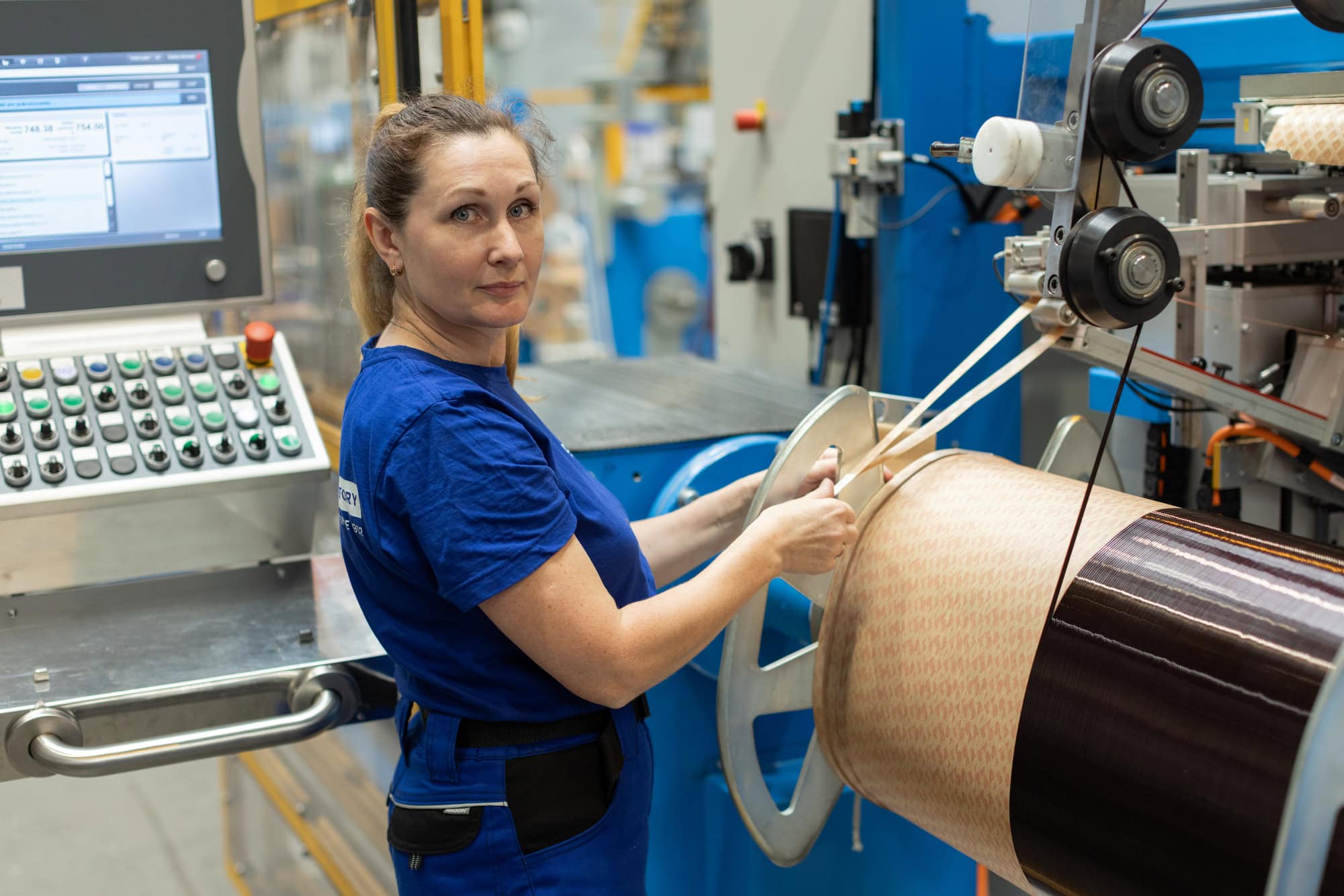
The amorphous metal material has an unstructured atomic structure, similar to glass. The lack of a crystalline structure reduces the energy required to remagnetize the material, resulting in extremely low hysteresis losses. Low-loss transformers with an amorphous metal core can reduce no-load losses by up to 66% compared to conventional CRGO steel, delivering unmatched standby efficiency. We use either copper, which has an extremely low resistivity, or aluminium, which offers a favourable price/performance ratio, in the manufacture of the windings. The key is to use conductors with the ideal cross-section with respect to the current flowing through them. A larger cross-section naturally reduces resistance and therefore heat loss. Optimizing the cross-section of the conductors becomes the most important design element in the fight against load losses.
Advanced technologies and design solutions for low-loss transformers
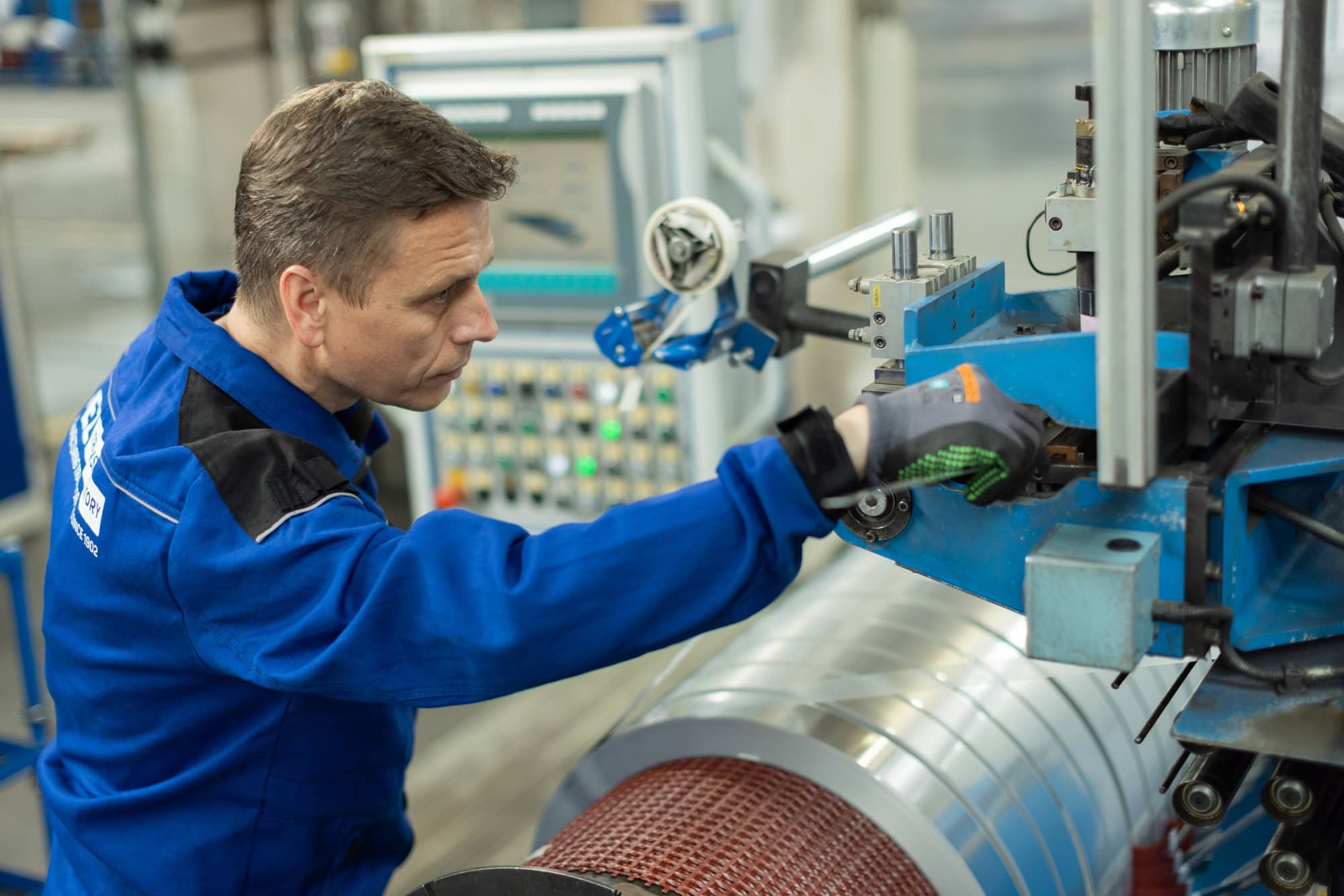
Low losses are not just a matter of materials, but also require precise design and manufacturing technologies to ensure optimum use of these superior raw materials. We use advanced shearing lines with Step-Lap technology to produce magnetic cores. This method ensures extremely precise lamella joints at the corners of the core, minimizing air gaps and reducing local eddy current and hysteresis losses at magnetic flux bending points.
The winding design, especially for power transformers, must minimize stray losses. These are additional losses caused by leakage magnetic flux that induces currents in the surrounding metal parts of the transformer (e.g. clamping frames). We use special shielding and optimize the spatial arrangement of the windings to direct the flux and suppress these unwanted losses.
Low-loss dry-type transformers with cast insulation represent a modern alternative to traditional oil-cooled transformers and bring significant low-loss and safety benefits. Instead of flammable oil, they use epoxy resin ( EP) to pot the windings. This resin is environmentally friendly, flame retardant and reduces the risk of fire, thereby increasing the safety of operation. Cast insulation technology allows more precise placement of windings, minimizing internal resistance and increasing mechanical stability.
Proper heat dissipation is also key. Higher operating temperature increases winding resistance, which directly leads to an increase in short-circuit losses. We therefore use efficient natural or forced cooling systems to keep the transformer at optimum operating temperature. We ensure maximum flow of coolant (air or oil) around the windings and core, thus achieving a stable low temperature and the transformer consistently operates under the lowest possible loss conditions.
Eco-design and the future of low-loss transformers
For BEZ TRANSFORMÁTORY, meeting the EU’s Ecodesign requirements is a minimum standard, not a target. Our innovations in materials and design ensure that our low-loss transformers not only meet the strict loss limits in place from 2021 (Stage 2), but many even exceed them, providing our clients with future-ready solutions.