Transformer load classes: how do they affect operation?
Load classes of transformers represent one of the key technical parameters that fundamentally affect their performance, reliability and overall lifetime. They determine how much load a transformer can safely bear during operation, taking into account modes such as sustained load, short-term overload and peak load. They are defined by international technical standards, in particular STN EN IEC 60076-7 that optimise the operation of transformers in different, often extreme, conditions.
Definition and types of load classes
In practice, there are often situations where power must be transmitted in excess of the rated rated power of the transformer. It is in such cases that the load class, which defines the maximum permissible overload and its duration, comes into consideration:
- Smooth mode: This mode represents the ideal conditions under which the transformer operates at 100% of rated power for the entire operating period. The heat generated inside the transformer remains in equilibrium with the cooling capacity, ensuring stable and long-term operation.
- Short-term overload: a typical example is an overload of 150% of rated power for 2 hours. This happens commonly, for example, during peak demand on the power grid. However, the transformer must be able to cope with such a load without permanent damage to the insulation system.
- Peak overload: this mode refers to extremely short but intense overloads. An example is a load of
200% of rated power for 15 minutes. These peaks most often occur where there are sudden and large current draws, such as industrial machinery or electric furnaces.
Most notably , the concept of load classes is applied to traction transformers used in mass transit systems such as subways, trams, trolleybuses, and trains. In these applications, the operating mode is highly cyclic. It alternates high load (starting and climbing) with low load (inertia driving) or full relief (stopping). STN EN 50329 specifies detailed load cycles for traction transformers, defining classes such as IA, IB, IC, ID, IE, V, VI, VII, VIII, IXA and IXB. Each of these classes represents a unique load profile that the transformer must reliably handle. For example, Class V applies to trolleybuses and trams, while Class IXA applies to mainline railways, where congestion requirements are even higher.
Impact of load classes on operation and service life
Choosing the right load class has a direct impact on the entire life cycle of the transformer. A key factor is thermal resistance, which is directly linked to the load. At higher loads, more heat is generated in the transformer, especially in the windings. If this heat is inadequately dissipated, the insulation materials can overheat, leading to degradation and shortened service life.
The load class therefore determines not only the maximum output but also the maximum permissible winding temperature. These temperature limits ensure that the transformer can operate safely in various modes without risk of damage. For manufacturers, this represents an important parameter when sizing the cooling system, insulation materials and the windings themselves. A properly designed class allows optimising energy losses, which are directly proportional to the square of the current, and thus extending the life of the equipment.
In addition to heat, the transformer must withstand other stresses such as mechanical stress, electrical surges and environmental influences. The load class and its specification also take these factors into account, ensuring that the transformer is robust and reliable even under harsh operating conditions.
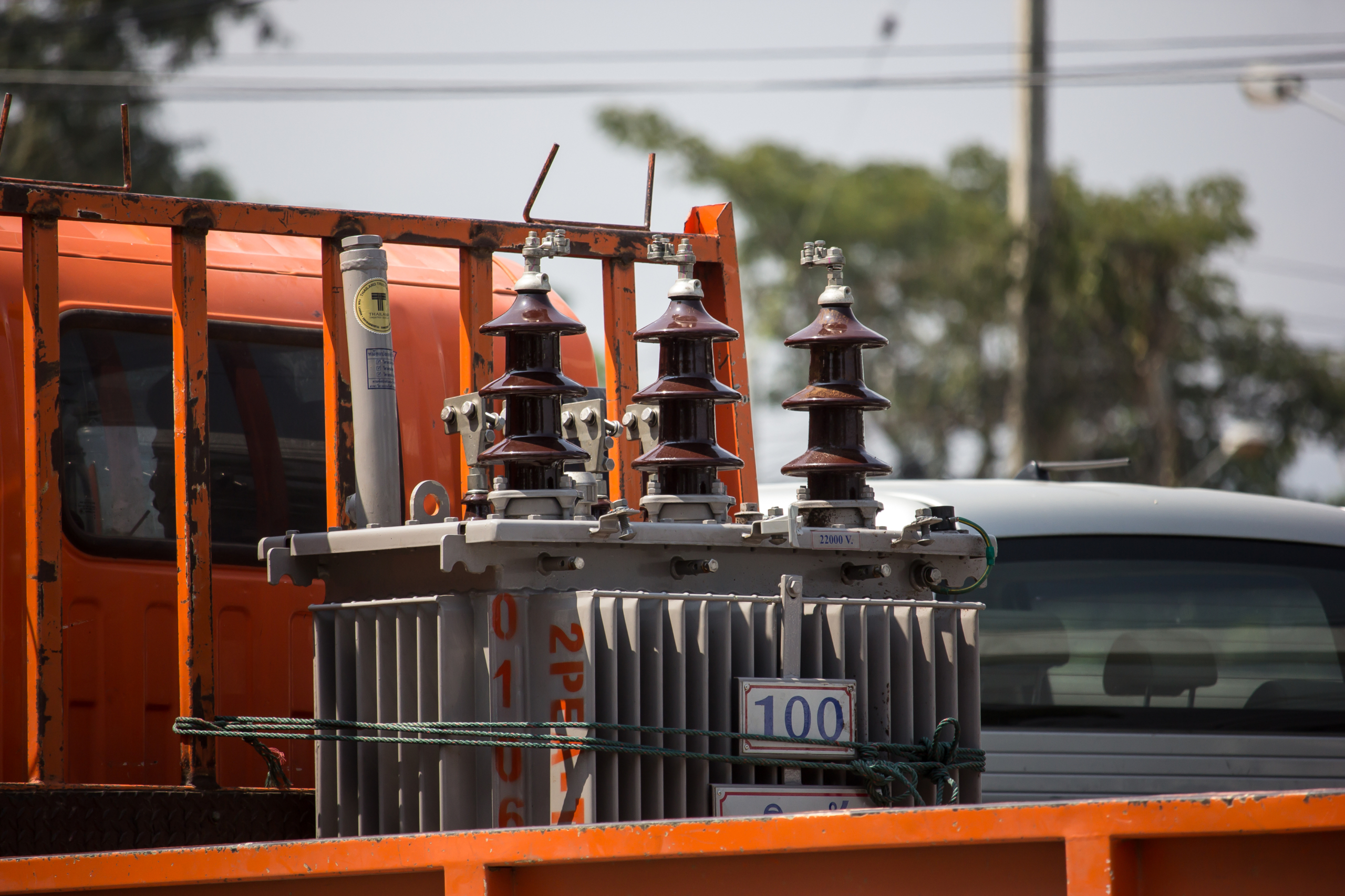
The load class of a transformer is much more than just a technical parameter
It is a comprehensive figure that reflects its operational capability, heat resistance and overall service life. Proper sizing of the transformer according to its load class is key to its reliable and economical operation. It ensures that the equipment can handle not only standard operating conditions, but also overloads. This is crucial for long-term stability and minimizing maintenance costs and potential outages. Due to the increasing demands of modern grids and the specifics of various applications such as mass transit or RES, the importance of properly understanding and applying load classes is continuously increasing.
We have a solution for any load class
Are you looking for a customized solution for your industrial, traction or photovoltaic projects? At BEZ TRANSFORMÁTORY we understand the specific requirements of each application and design transformers that guarantee maximum efficiency, reliability and long life. Contact us and our experts will help you select the right transformer to meet all your technical requirements and optimize your operating costs.